
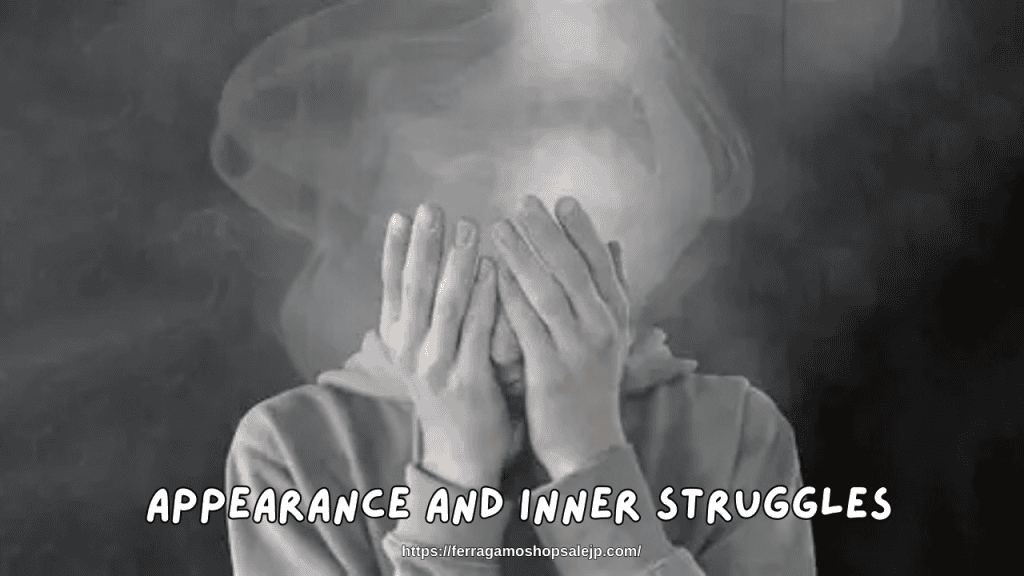
Putting on a Brave Face—and a Great Outfit: Coping Through Style

When life feels heavy with the weight of addiction, stress, or mental health struggles, many people instinctively reach for something familiar to help them feel in control. For some, that comes in the form of style. A polished outfit, a well-groomed appearance, or even a pair of favorite shoes can feel like armor against the chaos inside. While fashion alone cannot heal deep wounds, the act of looking put-together can offer comfort, confidence, and stability on the road to recovery.

The Connection Between Outward Appearance and Inner Struggles

Coping mechanisms come in many forms, and dressing well is one that is often overlooked. On the surface, style choices may seem shallow, but they can carry real emotional significance. Psychologists note that clothing affects mood, focus, and self-image. For individuals facing the challenges of addiction or mental health concerns, getting dressed intentionally can provide a sense of order when the inside feels anything but.

The concept of “putting on a brave face” is not about hiding from reality. Instead, it can be a way of reminding yourself that you are worthy of dignity and respect, even on your hardest days.

Why Style Becomes a Coping Strategy

A Sense of Structure

Recovery thrives on routine, and small daily rituals—like choosing what to wear—help create structure. Getting dressed each morning can become an anchor that grounds you in the present, setting the tone for the day.

Rebuilding Self-Worth

Addiction and mental health challenges often erode self-esteem. Wearing clothes that reflect your personality or aspirations can help restore a sense of identity beyond the struggle. This outward reflection can gently reinforce the belief that change and healing are possible.

A Safe Mask When Needed

There are moments in recovery when vulnerability feels overwhelming. Dressing well can serve as a protective layer, allowing individuals to participate in work, therapy, or family life while still working through internal battles privately.

The Limits of Coping Through Style

It is important to recognize that outward appearance is not a substitute for true healing. Clothes may provide comfort, but they cannot address the root causes of addiction, trauma, or emotional distress. Without professional help, fashion risks becoming a mask that hides pain rather than a tool that supports recovery.

That is why comprehensive treatment is essential. Inpatient and outpatient care, mental health counseling, holistic therapies, and faith-based support provide the foundation for real transformation. Style can then complement this process, helping individuals feel more confident as they move toward lasting change.

Integrating Style Into Holistic Recovery

Holistic recovery focuses on healing the mind, body, and spirit together. Within this approach, personal style fits naturally as a form of self-care. Choosing clothes with intention encourages mindfulness and reinforces positive daily habits. Combined with therapy, medical support, spiritual growth, and healthy lifestyle choices, fashion becomes one more way to feel whole again.

Moving Toward True Confidence

Putting on a brave face and a great outfit is not about pretending everything is fine. It is about finding ways to stay grounded and strong while pursuing recovery. When external choices are aligned with internal healing, confidence becomes authentic and sustainable.

If you or someone you love is struggling, know that you do not have to walk this journey alone. With compassionate, individualized treatment and a holistic approach, recovery is possible. Taking the first step toward help can open the door to a life where both inner peace and outward confidence thrive together.
Confidence by Design: How Style Can Comfort When You’re Struggling Inside

Struggles with addiction or mental health challenges can feel overwhelming, leaving many people searching for ways to regain stability and confidence. While healing always begins with addressing the deeper issues, external choices like fashion and personal style can play an important role in supporting recovery. Dressing with intention is not just about appearance. It can be a meaningful way to foster resilience, provide structure, and create a sense of self-worth when inner battles feel heavy.

The Connection Between Style and Emotional Health

Our appearance influences not only how others see us but also how we feel about ourselves. For individuals navigating addiction recovery, the act of choosing clothes and grooming can serve as a reminder that they are worthy of care and respect. This process may seem small, but it can be powerful in rebuilding confidence.

Psychologists describe a concept known as enclothed cognition, which shows that what we wear affects our mindset. Putting on clothes that make us feel strong or comfortable can shift how we carry ourselves. For those struggling internally, this outward expression can provide a much-needed sense of grounding.

Why Fashion Matters in Recovery

Structure in Daily Routines

In both inpatient and outpatient programs, structure is vital. Selecting an outfit each morning becomes more than a task. It is a routine that helps individuals start the day with purpose. This consistency supports emotional stability and encourages engagement with recovery activities.

Building a Positive Self-Image

Addiction and mental health issues often damage self-esteem. Style can be a way to slowly rebuild that confidence. Wearing clothing that reflects one’s identity or aspirations can remind people that they are more than their struggles. This reinforces hope and strengthens motivation.

The Limitations of Outward Confidence

While fashion can comfort and empower, it is important to remember that it cannot heal the root causes of emotional pain. Clothes may provide a temporary shield, but recovery requires more. True healing happens through therapy, medical care, community support, and spiritual growth when faith-based approaches are included.

Balancing external confidence with internal work ensures that style becomes a supportive tool rather than a mask that hides deeper issues.

Integrating Style into Holistic Healing

A holistic approach to recovery considers the entire person: body, mind, and spirit. In this context, style is recognized as one of many ways individuals can feel restored and valued. Personal appearance complements counseling, group therapy, healthy lifestyle changes, and spiritual practices. Together, these elements create a more complete path to recovery.

By viewing fashion as part of self-care rather than avoidance, individuals can use it to strengthen their healing journey. Looking put-together on the outside can support the process of feeling whole on the inside.

Moving Toward Authentic Confidence

Confidence by design is not about pretending everything is fine. It is about finding comfort and strength in small choices while addressing the bigger challenges through professional care. When appearance aligns with healing, individuals can begin to feel balanced and hopeful again.

If you or someone you care about is struggling with addiction or emotional pain, know that you are not alone. With compassionate, individualized treatment and a holistic approach, recovery is possible. Taking the first step toward help can lead to a life where both inner peace and outer confidence thrive together.

The Well-Groomed Coping Mechanism: When Looking Put-Together Becomes a Shield

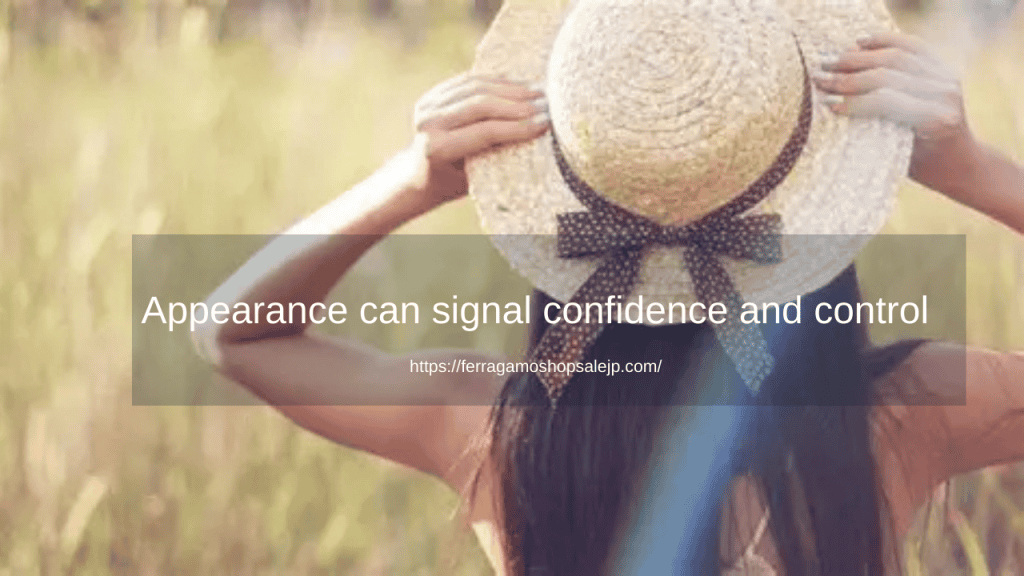
At first glance, a polished appearance can signal confidence and control. The pressed suit, the perfect hairstyle, or the steady smile may suggest someone has everything figured out. Yet for many who are struggling with addiction or mental health challenges, this outward presentation can serve as a coping mechanism. Looking put-together often becomes a shield, one that hides the pain and confusion beneath the surface. Understanding this dynamic is vital for anyone seeking healing, because while appearances can provide strength, true recovery requires addressing the struggles that cannot be seen.

Why Appearance Becomes a Shield

When individuals face emotional distress, maintaining a well-groomed image can provide a sense of control. The routine of dressing with care, grooming, or presenting a polished image creates structure at a time when life may feel unpredictable. For some, the external effort is not about vanity, but about survival.

This coping mechanism can also function as a way to avoid questions or concerns. A person who looks composed is less likely to be asked if they are okay, even if inside they feel exhausted, anxious, or overwhelmed. The shield offers temporary relief from vulnerability, but it can also prevent deeper healing.

The Psychology of Looking Put-Together

The Role of Routine

In recovery programs, structure plays an important role in stabilizing daily life. Choosing clothing, grooming, and maintaining appearance can be healthy rituals that provide stability and predictability. These routines can remind individuals that they are capable of showing up for themselves, even during difficult days.

Enclothed Cognition

Research shows that clothing influences mood and behavior, a concept known as enclothed cognition. Wearing professional or well-fitted attire can help someone feel more confident or prepared to face challenges. For individuals in addiction recovery, this psychological effect can provide a needed boost while they work on deeper issues in therapy and support groups.

The Limitations of the Shield

While the well-groomed coping mechanism can offer short-term comfort, it is not a substitute for recovery. A polished exterior may convince others that everything is fine, but it can also isolate the individual further. Family members or friends may not realize how much pain exists beneath the surface.

Healing requires vulnerability. Opening up about the struggles hidden behind the shield is often the first step toward real transformation. Without addressing the root causes of addiction or emotional distress, the outward image becomes an exhausting performance rather than a source of genuine strength.

Integrating Appearance into Holistic Healing

In holistic, faith-based, and individualized treatment programs, appearance is not dismissed as unimportant. Instead, it is viewed as one piece of a much larger puzzle. Grooming and fashion can be supportive tools that help people feel dignified and strong. At the same time, therapy, medical care, spiritual practices, and community support work together to heal the deeper wounds.

By integrating both the external and internal aspects of recovery, individuals can move beyond using appearance as a shield and begin to build an authentic, lasting foundation for health.

Moving Toward Authentic Confidence

Being well-groomed while struggling is not a weakness. It is a sign of resilience and a desire to hold on through difficulty. But the ultimate goal of recovery is not just to look strong, but to feel strong from the inside out.

If you or someone you love is quietly struggling behind a polished image, remember that help is available. With compassionate support and a personalized treatment plan, it is possible to replace the shield of appearances with true healing and authentic confidence. Taking the first step toward recovery can open the door to a life that feels as good as it looks.