
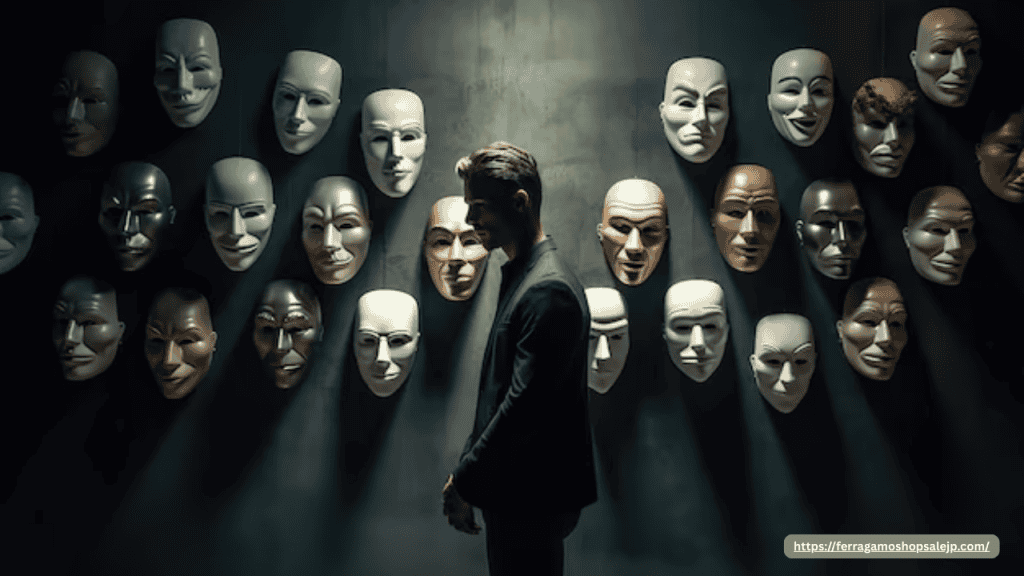
Luxury as a Mask: How Material Wealth Hides Emotional Scarcity

In a world that celebrates success through symbols—designer clothes, luxury cars, upscale homes—it’s easy to assume that those who appear to “have it all” are also emotionally fulfilled. But beneath the surface of material wealth, there often lies a silent struggle: emotional scarcity. For many, luxury becomes more than just a reward for hard work; it becomes a mask to hide pain, insecurity, and a deep sense of emptiness.

The Illusion of “Having It All”

Luxury goods often serve as signals of success and status. A Rolex, a Louis Vuitton bag, or a penthouse apartment doesn’t just represent taste—they’re culturally accepted proof that someone has “made it.” But appearances can be deceiving. Just because someone wears designer labels or posts glamorous vacations doesn’t mean they are emotionally grounded or internally at peace.

In many cases, the more extravagant the lifestyle, the more desperate the attempt to fill an internal void. Emotional wounds such as childhood neglect, abandonment, insecurity, or the need for validation can drive people to chase material symbols in hopes of soothing what they’re unable to heal emotionally.

Emotional Scarcity and the Need for Display

Emotional scarcity isn’t always obvious. It manifests in subtle but powerful ways—such as chronic loneliness, the inability to form deep connections, or a constant need for validation. When people don’t feel emotionally safe, loved, or accepted, they may turn to wealth as a substitute. The underlying belief becomes: “If I look successful, I’ll be worthy. If I live luxuriously, no one will see how broken I feel inside.”

This is why material possessions can become addictive. The high of a new purchase, the compliments, the envy of others—all of it temporarily numbs emotional pain. But like any coping mechanism, it never truly satisfies. Emotional wounds can’t be healed by what we wear or drive; they require introspection, vulnerability, and genuine connection.

The Social Media Mirage

Social media amplifies this illusion. We scroll through curated images of luxury and success, often unaware of the emotional toll behind the scenes. What looks like a perfect life may, in reality, be filled with anxiety, disconnection, or a lack of purpose. The pressure to maintain this image can be crushing, creating a cycle where people feel forced to keep performing success even as they suffer silently.

Reclaiming Worth Beyond Wealth

There’s nothing wrong with enjoying luxury—when it comes from a place of genuine appreciation rather than emotional compensation. The problem arises when self-worth becomes dependent on material display. True emotional health comes from self-acceptance, honest relationships, and inner peace—not the labels we wear or the lifestyle we project.

To begin healing, we must ask ourselves tough questions: Are we buying things to feel better about ourselves? Are we hiding behind success to avoid facing pain? And most importantly, who are we when the luxury fades?

In the end, the most valuable wealth isn’t found in what we own—but in who we are without the mask.
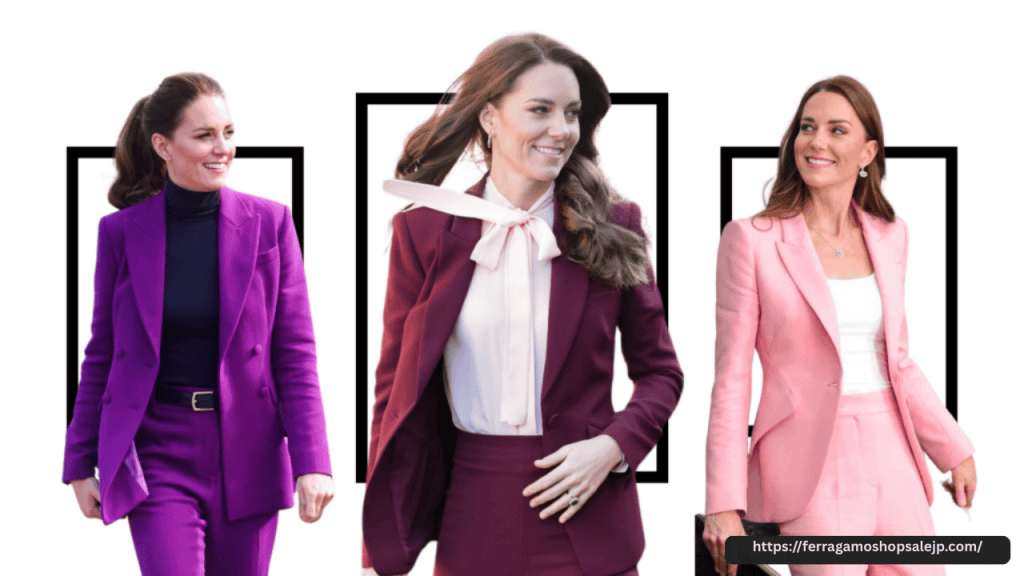
The Power Suit Deception: When Confidence is Just a Costume

In the professional world, few symbols are as iconic as the power suit. Crisp lines, bold colors, tailored fits—it’s a uniform that exudes authority, capability, and control. But beneath the surface of that powerful image lies a lesser-known truth: sometimes, the power suit is more costume than confidence, more defense mechanism than genuine self-assurance.

The Psychology Behind the Power Suit

Clothing has long been associated with psychological impact. Studies show that what we wear can influence not only how others perceive us, but also how we perceive ourselves. A well-fitted suit can make someone feel assertive, motivated, and respected. This is why power dressing became so popular in high-stakes industries like law, finance, and politics—outfits that convey strength tend to command attention.

But there’s another side to this. For many, the power suit doesn’t reflect how they actually feel. Instead, it becomes a carefully curated mask—worn to hide anxiety, self-doubt, or a deep fear of inadequacy. Behind the poised exterior may be someone who constantly questions their worth, dreads failure, or feels like an imposter in their role.

Imposter Syndrome in Disguise

One of the most common emotional experiences tied to this deception is imposter syndrome—the belief that you’re not as competent as others think you are, and that it’s only a matter of time before you’re found out. The power suit can temporarily quiet that voice. If you look the part, maybe you’ll believe you belong. Maybe others will, too.

The problem is, relying on external appearance to validate internal worth is like building a house on sand. It doesn’t last. When the suit comes off, the self-doubt creeps back in. And the cycle begins again—reaching for the next outfit, the next persona, to armor up against the fear.

Image Over Authenticity

In many workplaces, vulnerability is still viewed as weakness. There’s pressure to always “have it together,” to appear confident even when you’re overwhelmed. As a result, people often use their wardrobe to maintain the illusion. They may look put-together and in control, but inside, they’re burnt out, anxious, or emotionally detached.

This dynamic isn’t limited to the corporate world. Public speakers, leaders, and even educators often put on their “performance attire” to channel the version of themselves that feels more capable than their true, unguarded self. But when we constantly present a filtered version of ourselves, we lose the opportunity to build genuine relationships—ones based on trust, humility, and realness.

Redefining Real Confidence

True confidence doesn’t come from what you wear—it comes from self-acceptance. That doesn’t mean giving up on professional style. It means recognizing when your image is a tool, and when it’s a shield. The goal should be alignment between the outer self and the inner one.

The power suit isn’t the enemy. But it shouldn’t be the source of your power. Confidence built from within doesn’t fade when the costume comes off—and that kind of strength is far more lasting than anything you can buy off a rack.