
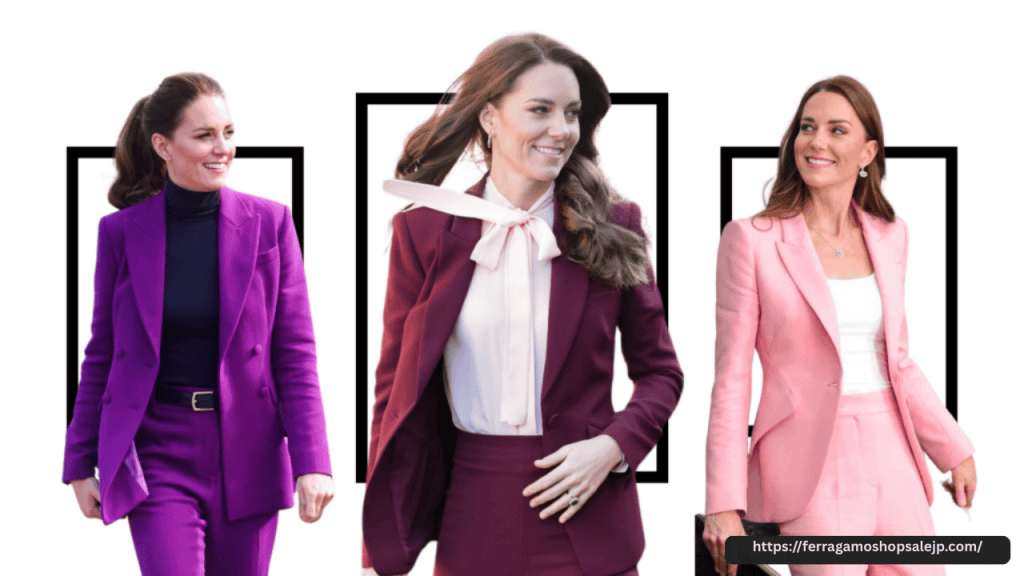
In the professional world, few symbols are as iconic as the power suit. Crisp lines, bold colors, tailored fits—it’s a uniform that exudes authority, capability, and control. But beneath the surface of that powerful image lies a lesser-known truth: sometimes, the power suit is more costume than confidence, more defense mechanism than genuine self-assurance.
The Psychology Behind the Power Suit
Clothing has long been associated with psychological impact. Studies show that what we wear can influence not only how others perceive us, but also how we perceive ourselves. A well-fitted suit can make someone feel assertive, motivated, and respected. This is why power dressing became so popular in high-stakes industries like law, finance, and politics—outfits that convey strength tend to command attention.
But there’s another side to this. For many, the power suit doesn’t reflect how they actually feel. Instead, it becomes a carefully curated mask—worn to hide anxiety, self-doubt, or a deep fear of inadequacy. Behind the poised exterior may be someone who constantly questions their worth, dreads failure, or feels like an imposter in their role.
Imposter Syndrome in Disguise
One of the most common emotional experiences tied to this deception is imposter syndrome—the belief that you’re not as competent as others think you are, and that it’s only a matter of time before you’re found out. The power suit can temporarily quiet that voice. If you look the part, maybe you’ll believe you belong. Maybe others will, too.
The problem is, relying on external appearance to validate internal worth is like building a house on sand. It doesn’t last. When the suit comes off, the self-doubt creeps back in. And the cycle begins again—reaching for the next outfit, the next persona, to armor up against the fear.
Image Over Authenticity
In many workplaces, vulnerability is still viewed as weakness. There’s pressure to always “have it together,” to appear confident even when you’re overwhelmed. As a result, people often use their wardrobe to maintain the illusion. They may look put-together and in control, but inside, they’re burnt out, anxious, or emotionally detached.
This dynamic isn’t limited to the corporate world. Public speakers, leaders, and even educators often put on their “performance attire” to channel the version of themselves that feels more capable than their true, unguarded self. But when we constantly present a filtered version of ourselves, we lose the opportunity to build genuine relationships—ones based on trust, humility, and realness.
Redefining Real Confidence
True confidence doesn’t come from what you wear—it comes from self-acceptance. That doesn’t mean giving up on professional style. It means recognizing when your image is a tool, and when it’s a shield. The goal should be alignment between the outer self and the inner one.
The power suit isn’t the enemy. But it shouldn’t be the source of your power. Confidence built from within doesn’t fade when the costume comes off—and that kind of strength is far more lasting than anything you can buy off a rack.