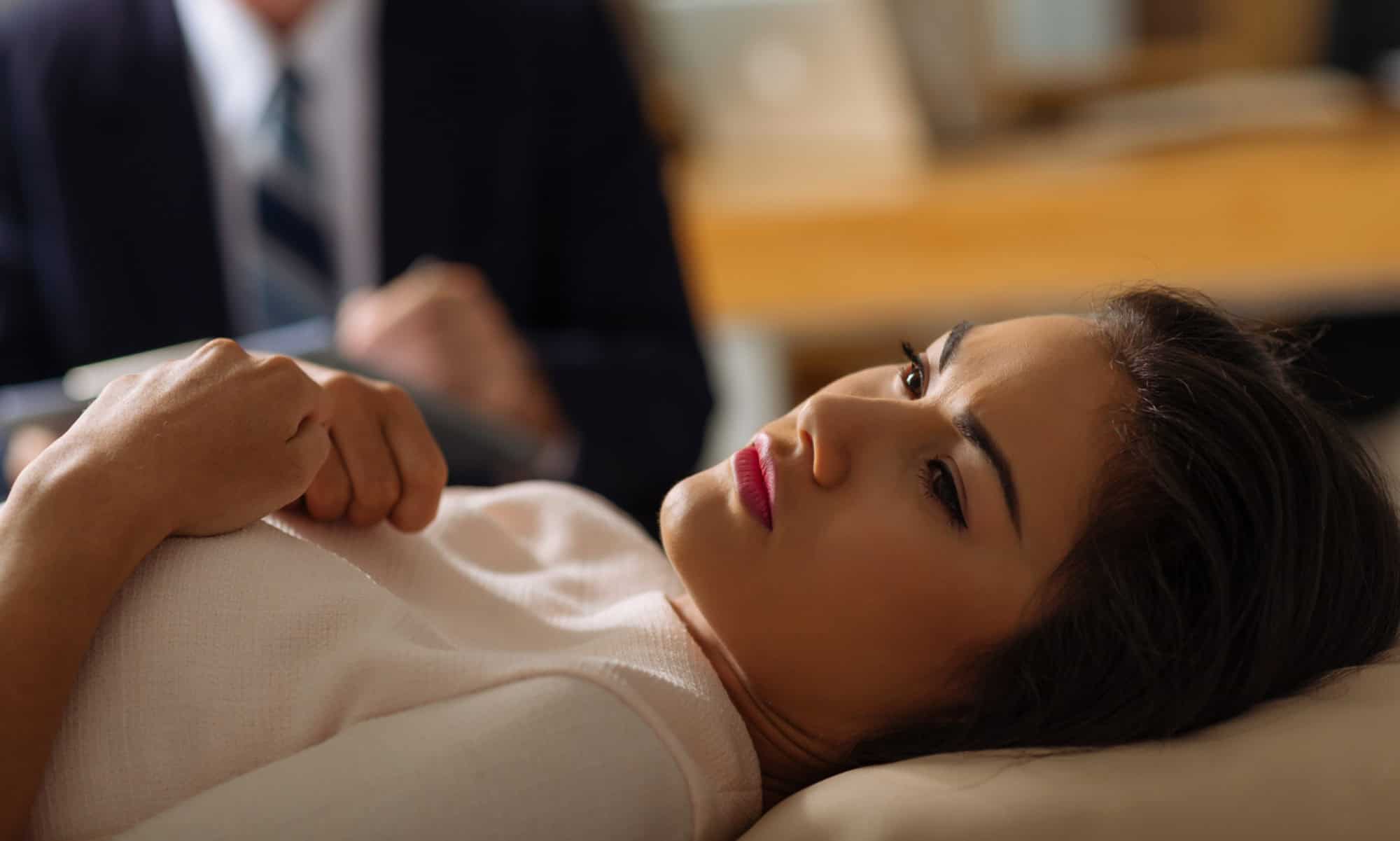
For many, clothing is a form of self-expression—a tool to project an image or convey a mood. But for some, style becomes more than just a means of fashion; it becomes a coping mechanism, a carefully constructed facade that conceals emotional distress. While fashion can serve as an empowering, creative outlet, it also allows individuals to mask feelings of insecurity, sadness, and anxiety behind a polished appearance. Understanding the psychology behind dressing up to hide emotional struggles reveals how clothing can be both a defense mechanism and a silent cry for help.
Psychologists suggest that people often use clothing as a way to influence others’ perceptions of them, which can be particularly appealing when they feel vulnerable or out of control. This strategy is a form of “impression management,” where people consciously or subconsciously curate their outward appearance to shield what they are truly experiencing. By maintaining an impeccable or trendy style, individuals can divert attention away from their inner pain and create a sense of normalcy or even confidence, even if they are suffering underneath the surface.
The motivation to use style as a cover-up often stems from a desire to maintain control. When life feels unpredictable or emotions feel overwhelming, carefully choosing what to wear can bring a sense of order and stability. For example, someone going through a tough breakup or a period of depression might opt for a bright, well-coordinated outfit to project strength and resilience. This outward image can feel empowering, even if it is a temporary shield. In a way, fashion becomes a form of armor, helping people face the world with a semblance of composure.
Moreover, fashion can be a way to avoid vulnerability. Society often values strength and self-sufficiency, leading people to worry that showing their true feelings will make them appear weak or incapable. Rather than risk being vulnerable, some may prefer to mask their emotions with a sophisticated wardrobe, hiding pain behind meticulously chosen clothing and accessories. This “fashion armor” becomes a way of coping in social settings, where questions about their well-being might otherwise arise. A well-dressed appearance signals that everything is fine, potentially warding off unwanted questions or concerns.
Social media and cultural pressures also play a role in encouraging people to “dress up” their distress. In an era where curated images and picture-perfect lives are the norm, there is immense pressure to present oneself as always “put-together.” This can be especially hard for those struggling internally, as they may feel that looking anything less than flawless might invite judgment. As a result, they turn to fashion as a tool to hide their struggles and maintain an illusion of perfection, often exhausting themselves in the process.
However, while style can temporarily alleviate or distract from emotional pain, it does not address the underlying issues. In fact, constantly relying on appearance to mask distress can contribute to a disconnect between one’s inner and outer self, perpetuating feelings of isolation and loneliness. Instead, experts suggest finding a balance between expressing oneself through fashion and acknowledging personal struggles in more constructive ways, such as seeking therapy, talking with trusted friends, or engaging in self-reflection.
In conclusion, dressing up to conceal pain is a common coping strategy that allows individuals to project a sense of strength, normalcy, or confidence. While clothing can serve as a temporary shield, true emotional healing requires courage and honesty—both with oneself and with others. Embracing vulnerability may not be easy, but it allows people to confront and heal from their inner struggles, ultimately leading to a more authentic and fulfilling life.