
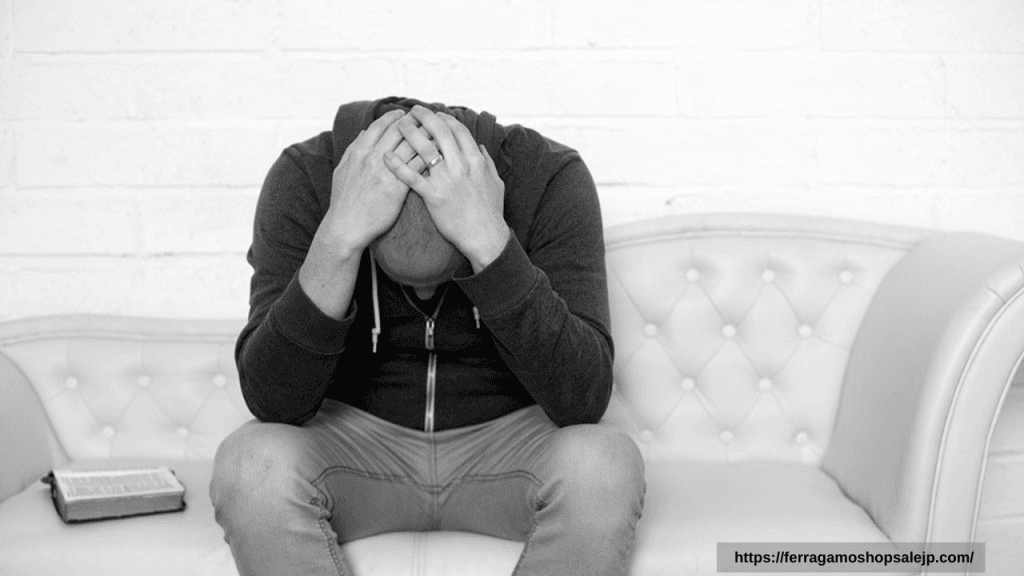
It is often said that appearances can be deceiving. For many people facing addiction or mental health challenges, this is especially true. On the outside, they may look polished, confident, and in control. But inside, they may be quietly battling anxiety, depression, or the weight of recovery. Looking put-together does not erase the pain, but it can sometimes serve as a source of strength, stability, and even hope. Understanding the balance between appearances and genuine healing is key to building a path toward recovery.
Why People Turn to Appearance During Struggles
When life feels overwhelming, presenting a well-groomed image can create a sense of normalcy. Choosing an outfit, fixing hair, or applying makeup may feel like small tasks, yet they provide structure and control in a world that otherwise feels uncertain. This ritual can help people hold on to a sense of dignity during their most vulnerable moments.
Clothing and appearance can also influence mood. Psychologists refer to this as “enclothed cognition,” the idea that what we wear affects how we feel and behave. For someone in recovery, this can mean that dressing with intention is not only about hiding pain, but about finding strength to face the day.
The Double-Edged Sword of Polished Appearances
When Strength Becomes a Shield
While appearance can be empowering, it can also mask deeper struggles. A polished exterior may prevent friends, family, or colleagues from recognizing that someone needs help. Smiles and professional attire often convince others that everything is fine, when in reality, the individual may be deeply worn inside.
The Risk of Silence
Hiding behind outward success or style can delay healing. When people feel pressure to maintain an image, they may avoid opening up about their challenges. Recovery begins with honesty, both with oneself and with others. Breaking that silence allows for true connection and the support needed to move forward.
Using Routine and Style as Tools in Recovery
Building Daily Structure
In inpatient or outpatient recovery programs, structure is essential. Simple routines, like preparing an outfit each morning, can help create stability. These small actions contribute to larger progress in therapy and healing.
Reclaiming Identity
Addiction and mental health struggles often cause people to lose sight of who they are. Fashion and appearance can play a role in rediscovering identity. Choosing clothing that reflects personal values or aspirations can remind individuals that they are more than their struggles.
A Holistic Path to Healing
True recovery goes far beyond appearances. At centers that offer holistic and faith-based treatment, healing includes addressing the mind, body, and spirit together. Therapy, medical care, spiritual guidance, and supportive community all work hand in hand to create lasting change. Outward presentation may help people feel stronger, but long-term recovery requires nurturing the inner self with compassion and professional care.
Moving Beyond the Surface
Being outwardly polished while inwardly worn does not mean a person is weak. It often means they are fighting to hold on while searching for stability. The real journey begins when individuals allow themselves to be supported beyond appearances. By combining professional treatment with personal resilience, it is possible to move from surviving to truly thriving.
If you or someone you care about is struggling behind a polished smile, know that help is available. With compassionate, individualized care, recovery can restore both the inner strength and the outward confidence that make life truly fulfilling.