Fashion as a Form of Self-Care: Looking Sharp While Weathering Emotional Storms

When life feels unpredictable or emotionally overwhelming, finding small ways to care for yourself can make a big difference. For some, fashion becomes more than just a way to express style—it turns into a quiet form of self-care. Picking an outfit, choosing colors that lift your mood, or simply taking time to get ready can create moments of calm and control when everything else feels uncertain.

At Ferragamo Shop Sale JP, we understand that emotional healing and addiction recovery are deeply personal journeys. Every step toward self-awareness and self-respect matters, even in the simple routines of daily life.

The Psychology Behind Dressing Well

Dressing well can influence how you feel, think, and interact with the world. Studies have shown that your clothing choices can affect confidence, motivation, and emotional state. For people facing addiction, anxiety, or depression, those effects can be powerful.

Wearing clothes that make you feel composed can help you step into the day with more intention. It doesn’t mean pretending you’re fine when you’re not—it’s about nurturing yourself in ways that help you move forward. Self-care through fashion is less about impressing others and more about reconnecting with a sense of dignity and hope.

When Fashion Supports Emotional Healing

When you’re navigating recovery or emotional distress, structure can help. The simple act of getting dressed each morning gives you a sense of purpose and rhythm. It reminds you that even small actions can create change.

For example, wearing clean, comfortable clothes can make you feel refreshed and more capable of facing difficult emotions. Choosing colors that soothe or inspire you can subtly shift your mindset. These are small acts, but they remind your mind and body that you’re worthy of care—even when life feels heavy.

The Balance Between Self-Care and Self-Protection

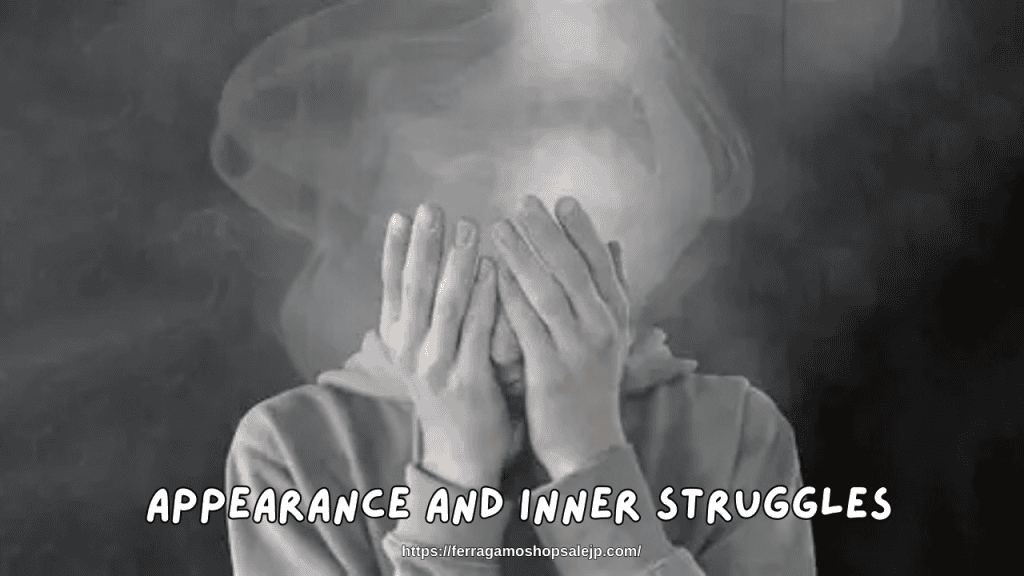
There’s a difference between using fashion as self-care and using it to hide emotional pain. Many people use appearance as a shield, maintaining a perfect exterior while feeling lost inside. While that can be an understandable coping mechanism, it can also keep you from addressing what truly needs healing.

True self-care doesn’t involve perfection. It involves honesty. Dressing well should empower you to face your emotions, not cover them. In recovery, authenticity is one of the most powerful tools for growth.

Using Fashion to Reconnect, Not Retreat

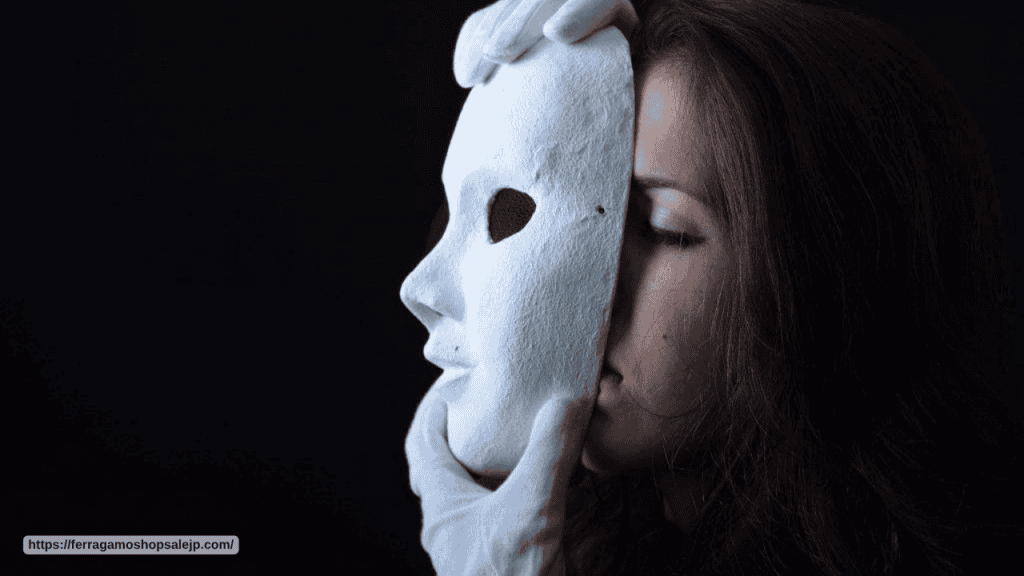
Try reframing how you approach your appearance. Instead of dressing to hide, dress to express. Instead of creating a mask, create meaning. Choose outfits that make you feel grounded, confident, or even hopeful.

At Ferragamo Shop Sale JP, we often remind clients that recovery is about reconnection—to self, to purpose, and to peace. Taking care of your appearance can be one small, daily way to rebuild that connection.

Holistic Healing Beyond the Surface

Healing from addiction and emotional pain requires attention to the whole person—mind, body, and spirit. At Ferragamo Shop Sale JP, our holistic, faith-based approach encourages clients to find balance between inner transformation and outward confidence.

Through individualized treatment plans, therapy, and compassionate support, clients learn that healing involves both self-awareness and self-kindness. Whether through inpatient or outpatient care, each journey is guided by the belief that true recovery restores identity, not just stability.

Choosing Self-Care That Heals, Not Hides

Fashion can be part of your healing journey when approached with intention. Instead of striving for perfection, focus on progress. Use your daily routine as a way to honor your worth, not to disguise your pain.

Every time you choose to care for yourself, even in small ways, you remind yourself that you are capable of growth. Healing is not about never feeling broken—it’s about learning how to nurture yourself as you rebuild.

Take the Next Step Toward Healing

If you or someone you love is struggling beneath the surface, help is available. At Ferragamo Shop Sale JP, our team provides compassionate, professional addiction recovery and mental health treatment tailored to your needs. Through holistic and faith-based care, you can find hope, strength, and peace beyond appearances.

Reach out today to begin your journey toward healing—from the inside out.
Feeling Messy Inside? Here’s Why You Might Still Dress Perfectly

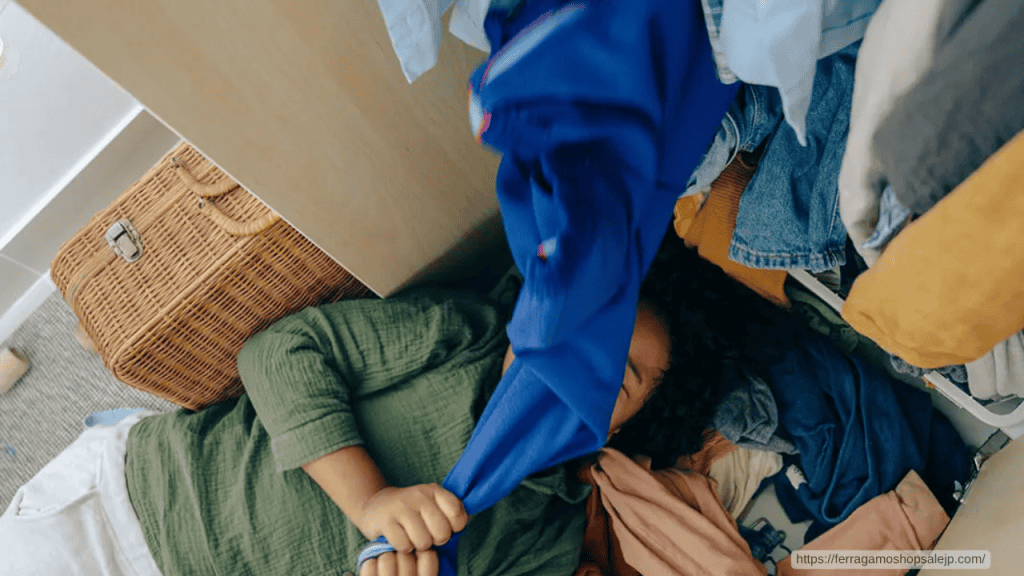
We often hear the phrase “look good, feel good,” but for many people struggling with emotional pain or addiction, dressing well isn’t about confidence. It’s about control. When everything inside feels chaotic, keeping up a polished appearance can create a sense of order in an otherwise unpredictable world. The carefully chosen outfit, flawless makeup, or sleek hair might not reflect peace—it may be a quiet attempt to hold things together.

At Ferragamo Shop Sale JP, we understand that mental health and addiction challenges often manifest in ways that are not always visible. Healing begins when we learn to look beyond the surface and understand the emotions driving our behaviors.

When Perfection Becomes Protection

Many individuals in emotional distress find comfort in routine and structure. Getting dressed each day and presenting a put-together image can serve as a coping mechanism—a way to feel in control when everything else feels uncertain. Clothes can become armor, helping to mask sadness, anxiety, or fear.

But while appearances can provide temporary stability, they may also prevent healing if they become a disguise. Pretending to be fine often isolates people further, keeping them from reaching out for the support they truly need.

The Hidden Weight Behind Perfection

People who struggle internally often hold themselves to high standards. They believe that if they can appear composed and successful, their pain will somehow become more manageable—or less visible. But emotional wounds don’t heal through perfection. They heal through honesty, vulnerability, and connection.

The truth is, you can look completely “together” on the outside and still feel lost, anxious, or deeply tired on the inside. Recognizing this disconnect is the first step toward real healing.

What Dressing Well Might Be Trying to Say

1. You’re Seeking Control

When your emotions feel unpredictable, having control over your appearance can feel grounding. It gives you one area of life you can manage. But control and healing are not the same. Recovery comes from learning to face uncertainty without needing to hide behind perfection.

2. You Want to Feel Worthy

Looking polished can temporarily boost confidence or create a sense of belonging. Yet, true worth doesn’t come from what you wear. It comes from knowing you are valuable even when you’re struggling.

3. You’re Protecting Yourself from Judgment

Dressing well can be a shield against questions or pity. It’s easier to say “I’m fine” when you look fine. But staying silent can make healing harder. Talking about your feelings with a counselor or therapist can break that silence and open the door to recovery.

Moving from Appearance to Authenticity

Healing requires the courage to be seen as you are, not as you think you should be. At Ferragamo Shop Sale JP, we offer holistic and faith-based treatment programs that help individuals move from external coping to internal restoration. Through a combination of therapy, mindfulness, group support, and personalized care, we help clients rebuild confidence that comes from within—not from appearances.

Inpatient and outpatient options allow each person to receive the level of support that fits their journey. Whether you are struggling with addiction, depression, or emotional exhaustion, recovery is about uncovering truth, not hiding behind presentation.

Choosing Healing Over Perfection

It’s possible to love fashion, style, and presentation while still working toward emotional healing. The key is awareness. If you notice that you’re dressing perfectly to avoid being vulnerable, that may be a sign to slow down and look inward.

Your clothes can be an expression of who you are, but they should never be the only thing holding you together.

Take the Next Step Toward Authentic Healing

If you find yourself smiling on the outside but struggling within, help is available. At Ferragamo Shop Sale JP, our compassionate team provides evidence-based and holistic care that honors the full person—mind, body, and spirit. You don’t have to keep pretending everything is fine.

Reach out today to begin the journey toward a life where healing, not appearance, defines your strength.

Dressed for the Day You’re Facing, Not Just the One You Want to Show

Each morning, we make choices that shape how we move through the world. Some of those choices are about appearance—what to wear, how to present ourselves, how we want others to see us. But beneath those decisions lies something deeper. For those walking through the pain of addiction, anxiety, or depression, getting dressed can be more than routine. It can be an act of courage, a quiet decision to face the day even when it feels heavy.

The Mask of Presentation and the Reality Beneath

It is natural to want to appear composed. Many people living with emotional or mental pain master the art of looking “fine.” They wear polished smiles, tidy clothes, and confident postures, even when turmoil simmers underneath. For some, this presentation is survival. It allows them to function, to blend in, and to feel a sense of control when the world inside feels uncertain.

But while appearance can help us navigate difficult days, it is important not to confuse outer composure with inner healing. Addiction recovery and mental health treatment are not about maintaining a perfect image—they are about finding authentic strength, even when life feels messy.

Facing the Day Honestly

Acknowledging What You’re Really Carrying

Part of recovery involves learning to recognize and accept your emotions without judgment. Dressing for the day you’re truly facing means being honest with yourself about what that day holds. Are you anxious? Tired? Overwhelmed? Hopeful? Allowing yourself to feel and express those emotions can reduce the pressure to “perform” for the world.

Self-Expression as Healing

Fashion can still be part of recovery when used intentionally. Choosing clothes that feel comfortable and reflective of your true self can serve as a small but meaningful form of self-expression. When you dress with self-awareness rather than self-protection, your appearance becomes an extension of healing, not a disguise.

When Appearance Becomes a Shield

Clothing can become a coping mechanism, a way to hide vulnerability or pain. There is nothing wrong with wanting to look your best, but if you find that appearance becomes your only form of control, it may be a sign to seek deeper support.

Professional addiction recovery programs and mental health treatment centers offer safe, structured environments to explore the emotions that often stay hidden behind the mask. Through therapy, group support, faith-based guidance, and holistic care, individuals can begin to rebuild confidence from within—where it lasts the longest.

The Power of Holistic Healing

At Ferragamo Shop Sale JP, healing is approached through the whole person. This means combining traditional treatment with holistic practices that nurture mind, body, and spirit. Individualized care plans address not only the addiction or mental health condition but also the emotional layers underneath—grief, shame, trauma, and fear.

When you begin to heal on every level, you no longer have to rely on appearance to hold yourself together. You can dress for the day you’re facing, whether it is a day of recovery, reflection, or rebuilding. Authenticity becomes your true attire.

Choosing Honesty Over Perfection

The most powerful thing you can wear is honesty—with yourself, with others, and with your healing process. There will be days when you feel fragile, and that is okay. What matters most is that you continue to show up, even imperfectly. Every day you choose truth over appearance is a day you move closer to lasting recovery.

Taking the Next Step

If you or someone you love is struggling beneath the surface, you do not have to face it alone. Compassionate, professional help is available. Whether through inpatient or outpatient care, faith-based guidance, or holistic therapy, real healing begins when you stop pretending and start embracing the day as it is.

It is time to dress not for the version of yourself the world expects to see, but for the one who is bravely doing the work to heal.

Putting on a Brave Face—and a Great Outfit: Coping Through Style

When life feels heavy with the weight of addiction, stress, or mental health struggles, many people instinctively reach for something familiar to help them feel in control. For some, that comes in the form of style. A polished outfit, a well-groomed appearance, or even a pair of favorite shoes can feel like armor against the chaos inside. While fashion alone cannot heal deep wounds, the act of looking put-together can offer comfort, confidence, and stability on the road to recovery.

The Connection Between Outward Appearance and Inner Struggles

Coping mechanisms come in many forms, and dressing well is one that is often overlooked. On the surface, style choices may seem shallow, but they can carry real emotional significance. Psychologists note that clothing affects mood, focus, and self-image. For individuals facing the challenges of addiction or mental health concerns, getting dressed intentionally can provide a sense of order when the inside feels anything but.

The concept of “putting on a brave face” is not about hiding from reality. Instead, it can be a way of reminding yourself that you are worthy of dignity and respect, even on your hardest days.

Why Style Becomes a Coping Strategy

A Sense of Structure

Recovery thrives on routine, and small daily rituals—like choosing what to wear—help create structure. Getting dressed each morning can become an anchor that grounds you in the present, setting the tone for the day.

Rebuilding Self-Worth

Addiction and mental health challenges often erode self-esteem. Wearing clothes that reflect your personality or aspirations can help restore a sense of identity beyond the struggle. This outward reflection can gently reinforce the belief that change and healing are possible.

A Safe Mask When Needed

There are moments in recovery when vulnerability feels overwhelming. Dressing well can serve as a protective layer, allowing individuals to participate in work, therapy, or family life while still working through internal battles privately.

The Limits of Coping Through Style

It is important to recognize that outward appearance is not a substitute for true healing. Clothes may provide comfort, but they cannot address the root causes of addiction, trauma, or emotional distress. Without professional help, fashion risks becoming a mask that hides pain rather than a tool that supports recovery.

That is why comprehensive treatment is essential. Inpatient and outpatient care, mental health counseling, holistic therapies, and faith-based support provide the foundation for real transformation. Style can then complement this process, helping individuals feel more confident as they move toward lasting change.

Integrating Style Into Holistic Recovery

Holistic recovery focuses on healing the mind, body, and spirit together. Within this approach, personal style fits naturally as a form of self-care. Choosing clothes with intention encourages mindfulness and reinforces positive daily habits. Combined with therapy, medical support, spiritual growth, and healthy lifestyle choices, fashion becomes one more way to feel whole again.

Moving Toward True Confidence

Putting on a brave face and a great outfit is not about pretending everything is fine. It is about finding ways to stay grounded and strong while pursuing recovery. When external choices are aligned with internal healing, confidence becomes authentic and sustainable.

If you or someone you love is struggling, know that you do not have to walk this journey alone. With compassionate, individualized treatment and a holistic approach, recovery is possible. Taking the first step toward help can open the door to a life where both inner peace and outward confidence thrive together.

Confidence by Design: How Style Can Comfort When You’re Struggling Inside

Struggles with addiction or mental health challenges can feel overwhelming, leaving many people searching for ways to regain stability and confidence. While healing always begins with addressing the deeper issues, external choices like fashion and personal style can play an important role in supporting recovery. Dressing with intention is not just about appearance. It can be a meaningful way to foster resilience, provide structure, and create a sense of self-worth when inner battles feel heavy.

The Connection Between Style and Emotional Health

Our appearance influences not only how others see us but also how we feel about ourselves. For individuals navigating addiction recovery, the act of choosing clothes and grooming can serve as a reminder that they are worthy of care and respect. This process may seem small, but it can be powerful in rebuilding confidence.

Psychologists describe a concept known as enclothed cognition, which shows that what we wear affects our mindset. Putting on clothes that make us feel strong or comfortable can shift how we carry ourselves. For those struggling internally, this outward expression can provide a much-needed sense of grounding.

Why Fashion Matters in Recovery

Structure in Daily Routines

In both inpatient and outpatient programs, structure is vital. Selecting an outfit each morning becomes more than a task. It is a routine that helps individuals start the day with purpose. This consistency supports emotional stability and encourages engagement with recovery activities.

Building a Positive Self-Image

Addiction and mental health issues often damage self-esteem. Style can be a way to slowly rebuild that confidence. Wearing clothing that reflects one’s identity or aspirations can remind people that they are more than their struggles. This reinforces hope and strengthens motivation.

The Limitations of Outward Confidence

While fashion can comfort and empower, it is important to remember that it cannot heal the root causes of emotional pain. Clothes may provide a temporary shield, but recovery requires more. True healing happens through therapy, medical care, community support, and spiritual growth when faith-based approaches are included.

Balancing external confidence with internal work ensures that style becomes a supportive tool rather than a mask that hides deeper issues.

Integrating Style into Holistic Healing

A holistic approach to recovery considers the entire person: body, mind, and spirit. In this context, style is recognized as one of many ways individuals can feel restored and valued. Personal appearance complements counseling, group therapy, healthy lifestyle changes, and spiritual practices. Together, these elements create a more complete path to recovery.

By viewing fashion as part of self-care rather than avoidance, individuals can use it to strengthen their healing journey. Looking put-together on the outside can support the process of feeling whole on the inside.

Moving Toward Authentic Confidence

Confidence by design is not about pretending everything is fine. It is about finding comfort and strength in small choices while addressing the bigger challenges through professional care. When appearance aligns with healing, individuals can begin to feel balanced and hopeful again.

If you or someone you care about is struggling with addiction or emotional pain, know that you are not alone. With compassionate, individualized treatment and a holistic approach, recovery is possible. Taking the first step toward help can lead to a life where both inner peace and outer confidence thrive together.

The Well-Groomed Coping Mechanism: When Looking Put-Together Becomes a Shield

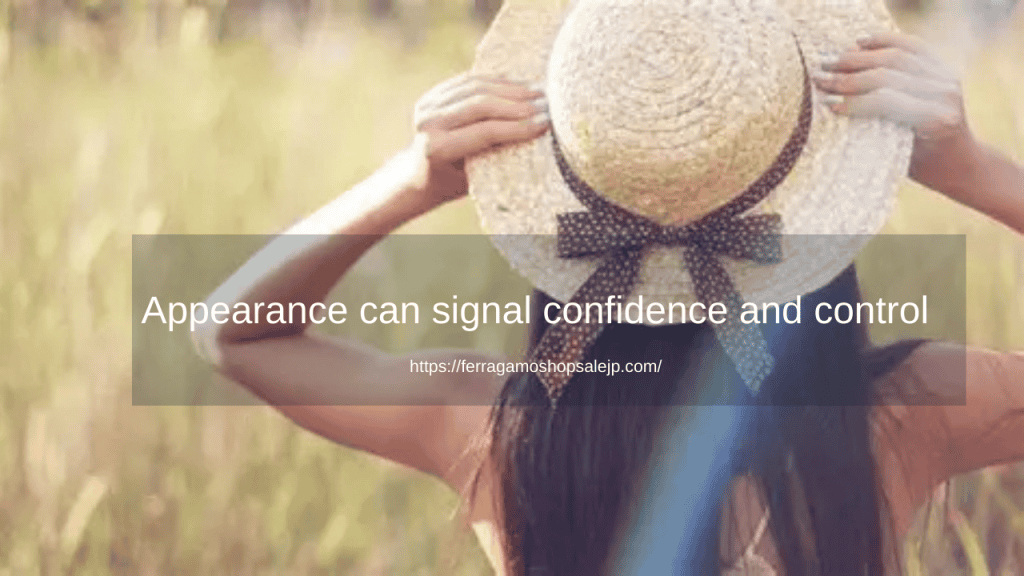
At first glance, a polished appearance can signal confidence and control. The pressed suit, the perfect hairstyle, or the steady smile may suggest someone has everything figured out. Yet for many who are struggling with addiction or mental health challenges, this outward presentation can serve as a coping mechanism. Looking put-together often becomes a shield, one that hides the pain and confusion beneath the surface. Understanding this dynamic is vital for anyone seeking healing, because while appearances can provide strength, true recovery requires addressing the struggles that cannot be seen.

Why Appearance Becomes a Shield

When individuals face emotional distress, maintaining a well-groomed image can provide a sense of control. The routine of dressing with care, grooming, or presenting a polished image creates structure at a time when life may feel unpredictable. For some, the external effort is not about vanity, but about survival.

This coping mechanism can also function as a way to avoid questions or concerns. A person who looks composed is less likely to be asked if they are okay, even if inside they feel exhausted, anxious, or overwhelmed. The shield offers temporary relief from vulnerability, but it can also prevent deeper healing.

The Psychology of Looking Put-Together

The Role of Routine

In recovery programs, structure plays an important role in stabilizing daily life. Choosing clothing, grooming, and maintaining appearance can be healthy rituals that provide stability and predictability. These routines can remind individuals that they are capable of showing up for themselves, even during difficult days.

Enclothed Cognition

Research shows that clothing influences mood and behavior, a concept known as enclothed cognition. Wearing professional or well-fitted attire can help someone feel more confident or prepared to face challenges. For individuals in addiction recovery, this psychological effect can provide a needed boost while they work on deeper issues in therapy and support groups.

The Limitations of the Shield

While the well-groomed coping mechanism can offer short-term comfort, it is not a substitute for recovery. A polished exterior may convince others that everything is fine, but it can also isolate the individual further. Family members or friends may not realize how much pain exists beneath the surface.

Healing requires vulnerability. Opening up about the struggles hidden behind the shield is often the first step toward real transformation. Without addressing the root causes of addiction or emotional distress, the outward image becomes an exhausting performance rather than a source of genuine strength.

Integrating Appearance into Holistic Healing

In holistic, faith-based, and individualized treatment programs, appearance is not dismissed as unimportant. Instead, it is viewed as one piece of a much larger puzzle. Grooming and fashion can be supportive tools that help people feel dignified and strong. At the same time, therapy, medical care, spiritual practices, and community support work together to heal the deeper wounds.

By integrating both the external and internal aspects of recovery, individuals can move beyond using appearance as a shield and begin to build an authentic, lasting foundation for health.

Moving Toward Authentic Confidence

Being well-groomed while struggling is not a weakness. It is a sign of resilience and a desire to hold on through difficulty. But the ultimate goal of recovery is not just to look strong, but to feel strong from the inside out.

If you or someone you love is quietly struggling behind a polished image, remember that help is available. With compassionate support and a personalized treatment plan, it is possible to replace the shield of appearances with true healing and authentic confidence. Taking the first step toward recovery can open the door to a life that feels as good as it looks.

Outwardly Polished, Inwardly Worn: Finding Strength in Appearances

It is often said that appearances can be deceiving. For many people facing addiction or mental health challenges, this is especially true. On the outside, they may look polished, confident, and in control. But inside, they may be quietly battling anxiety, depression, or the weight of recovery. Looking put-together does not erase the pain, but it can sometimes serve as a source of strength, stability, and even hope. Understanding the balance between appearances and genuine healing is key to building a path toward recovery.

Why People Turn to Appearance During Struggles

When life feels overwhelming, presenting a well-groomed image can create a sense of normalcy. Choosing an outfit, fixing hair, or applying makeup may feel like small tasks, yet they provide structure and control in a world that otherwise feels uncertain. This ritual can help people hold on to a sense of dignity during their most vulnerable moments.

Clothing and appearance can also influence mood. Psychologists refer to this as “enclothed cognition,” the idea that what we wear affects how we feel and behave. For someone in recovery, this can mean that dressing with intention is not only about hiding pain, but about finding strength to face the day.

The Double-Edged Sword of Polished Appearances

When Strength Becomes a Shield

While appearance can be empowering, it can also mask deeper struggles. A polished exterior may prevent friends, family, or colleagues from recognizing that someone needs help. Smiles and professional attire often convince others that everything is fine, when in reality, the individual may be deeply worn inside.

The Risk of Silence

Hiding behind outward success or style can delay healing. When people feel pressure to maintain an image, they may avoid opening up about their challenges. Recovery begins with honesty, both with oneself and with others. Breaking that silence allows for true connection and the support needed to move forward.

Using Routine and Style as Tools in Recovery

Building Daily Structure

In inpatient or outpatient recovery programs, structure is essential. Simple routines, like preparing an outfit each morning, can help create stability. These small actions contribute to larger progress in therapy and healing.

Reclaiming Identity

Addiction and mental health struggles often cause people to lose sight of who they are. Fashion and appearance can play a role in rediscovering identity. Choosing clothing that reflects personal values or aspirations can remind individuals that they are more than their struggles.

A Holistic Path to Healing

True recovery goes far beyond appearances. At centers that offer holistic and faith-based treatment, healing includes addressing the mind, body, and spirit together. Therapy, medical care, spiritual guidance, and supportive community all work hand in hand to create lasting change. Outward presentation may help people feel stronger, but long-term recovery requires nurturing the inner self with compassion and professional care.

Moving Beyond the Surface

Being outwardly polished while inwardly worn does not mean a person is weak. It often means they are fighting to hold on while searching for stability. The real journey begins when individuals allow themselves to be supported beyond appearances. By combining professional treatment with personal resilience, it is possible to move from surviving to truly thriving.

If you or someone you care about is struggling behind a polished smile, know that help is available. With compassionate, individualized care, recovery can restore both the inner strength and the outward confidence that make life truly fulfilling.

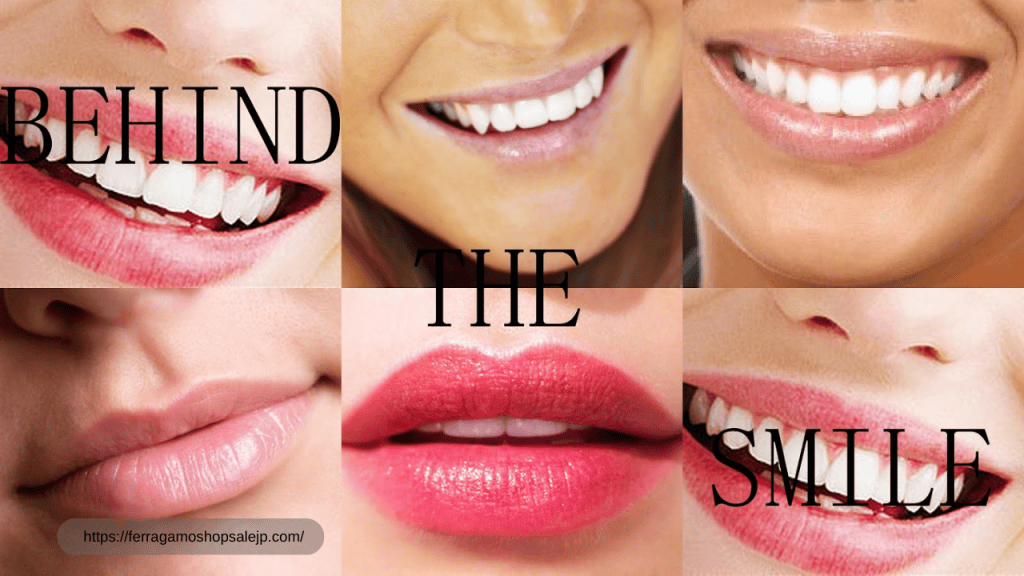
Behind the Smile: Dressing Well When You’re Quietly Struggling

At first glance, a polished appearance can make it seem as if everything is under control. A confident smile, a well-tailored outfit, and careful grooming may convince others that life is smooth sailing. Yet for many who are living with addiction, depression, or anxiety, this outward presentation often hides a very different reality. Dressing well while quietly struggling is not about deception. For some, it is a coping mechanism, a way to maintain a sense of control while navigating deeply personal battles. Understanding this dynamic can help us see the importance of both inner and outer healing.

Why Appearance Matters During Emotional Struggles

When someone is battling addiction or mental health challenges, daily life can feel unpredictable. Dressing with care may provide a sense of stability in the middle of that chaos. A clean shirt, a fresh haircut, or a favorite pair of shoes can help create the feeling of normalcy. Psychologists often note that outward appearance can influence mood. In other words, looking put-together may temporarily lift spirits or encourage a stronger mindset when facing hard days.

However, appearance should never be mistaken for recovery itself. Clothing can support a person’s journey, but true healing requires addressing the pain, trauma, and emotional weight that cannot be hidden behind fabric.

The Role of Structure in Recovery

How Fashion Fits into Routine

Recovery programs often emphasize building healthy habits. Selecting an outfit in the morning is a small but meaningful step in creating structure. This routine can help individuals feel prepared to engage in therapy sessions, support groups, or daily responsibilities.

Confidence as a Tool, Not a Mask

Dressing well can boost self-esteem and provide a sense of readiness to face challenges. The key is using it as support, not as a substitute for deeper healing. At its best, fashion can help individuals feel capable while they do the hard work of recovery.

The Risk of Hiding Behind the Smile

While it is natural to want to look composed, there is a danger in using fashion or appearance to cover up emotional suffering entirely. When friends or family see someone smiling and well-dressed, they may assume all is well. This can make it harder for individuals to ask for help or for loved ones to recognize the need for support. Breaking that cycle means being honest about what lies beneath the surface, even when the outside looks polished.

A Holistic Approach to Healing

At its heart, recovery is about healing the whole person: body, mind, and spirit. Outward appearance plays a role, but it cannot replace counseling, medical treatment, faith-based guidance, or community support. A holistic approach acknowledges that people are complex, and true well-being requires both internal transformation and external care.

Moving Forward with Hope

Dressing well while struggling is not a sign of weakness. It shows resilience and the desire to keep moving forward, even when life feels heavy. But healing begins when individuals allow themselves to be seen beyond the smile and the outfit. If you or someone you love is quietly struggling, know that compassionate help is available. With personalized treatment, professional care, and a supportive community, it is possible to move from surviving to thriving—inside and out.

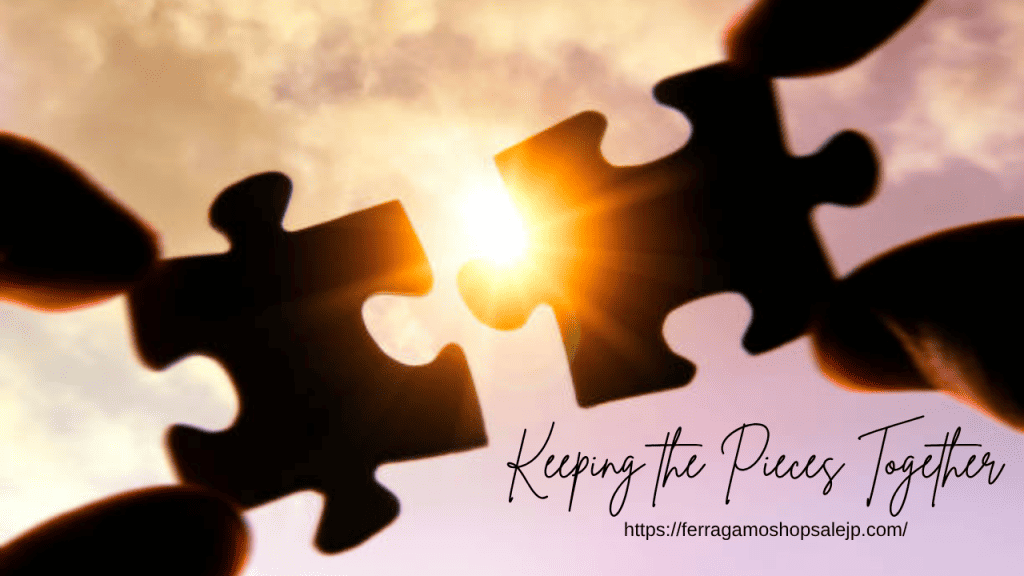
Keeping the Pieces Together: How Staying Fashionable Helps When You’re Falling Apart

When life feels overwhelming, even the smallest daily routines can feel like mountains to climb. For many facing addiction recovery or mental health struggles, maintaining personal appearance may seem trivial compared to the emotional battles within. Yet, choosing to stay fashionable or well-groomed can be more than a superficial act. It can serve as a grounding tool, a symbol of self-respect, and even a quiet form of resilience. At its core, fashion can be part of the process of keeping yourself together while working toward healing.

The Psychology Behind Appearance and Recovery

When someone is in the depths of emotional pain, it is easy to let self-care slide. However, research in psychology and mental health suggests that how we present ourselves externally can influence how we feel internally. This is not about hiding behind clothes or putting on a false image, but rather using appearance as a form of self-encouragement.

For those in addiction recovery, the act of dressing intentionally can represent a commitment to change. It sends a message to the self: “I am worth showing up for today.” This mindset can be powerful when old habits or hopelessness try to creep back in.

Fashion as a Routine that Supports Stability

Inpatient and outpatient recovery programs often emphasize the importance of structure. Simple habits, like choosing an outfit in the morning, can create a sense of order in an otherwise chaotic emotional landscape. Wearing clothes that make you feel confident can be a form of emotional armor, helping you step into social situations, therapy sessions, or job interviews with a stronger sense of self.

Holistic recovery approaches often look at the whole person—mind, body, and spirit. In this framework, self-presentation is not vanity. It is one of many tools that can help someone feel balanced and more in control of their life.

Avoiding the Trap of Perfectionism

It is important to acknowledge that using fashion as a coping mechanism can sometimes cross into unhealthy territory if it becomes about masking rather than supporting healing. True recovery means addressing the pain underneath, not just covering it up. Clothes can inspire confidence, but they cannot replace therapy, peer support, or the work of confronting deep emotional wounds.

How to Use Fashion as a Positive Recovery Tool

Choose Comfort and Confidence

Pick outfits that allow you to move freely and feel at ease while also reflecting your personality.

Make It a Mindful Process

Select clothing with intention. See it as a daily ritual that signals you are showing up for yourself.

Use Color and Texture for Mood Boosts

Wearing colors you love or fabrics that feel good against your skin can have a subtle but real impact on your mood.

Moving Forward with Hope

Looking put-together while navigating emotional hardship is not about pretending you are fine. It is about finding small, manageable ways to nurture yourself as you work through bigger challenges. Addiction recovery and mental health healing are complex journeys, but maintaining your appearance can be one of many empowering steps toward stability.

If you or a loved one is struggling, know that help is available. With personalized care, holistic treatment, and compassionate support, it is possible to heal—inside and out.

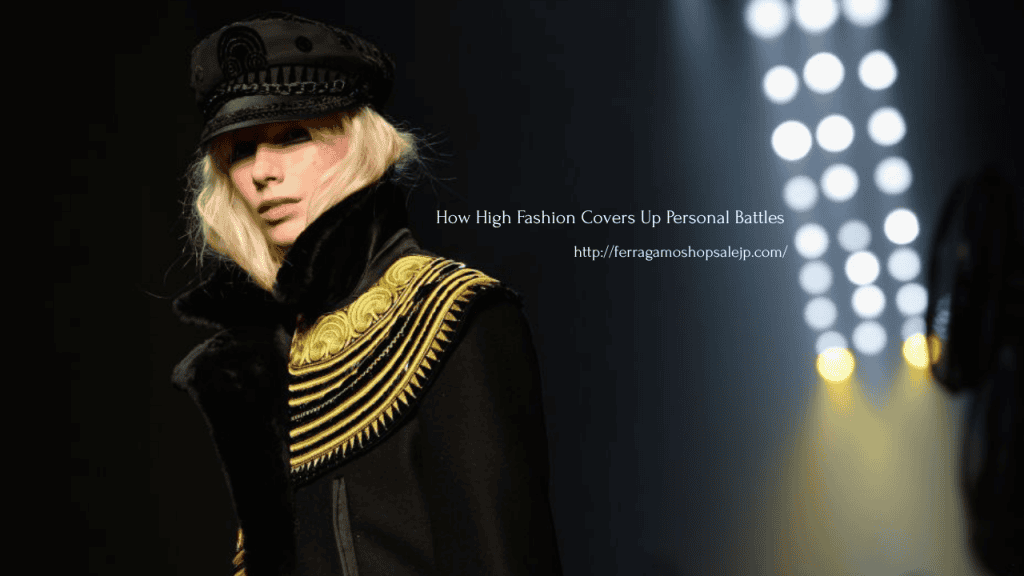
Couture and Concealment: How High Fashion Covers Up Personal Battles

High fashion is synonymous with elegance, power, and exclusivity. The world of couture dazzles with intricate fabrics, custom designs, and runway spectacles that exude perfection. But behind the shimmering gowns and tailored suits lies a rarely spoken truth—fashion can serve not only as art but as armor. For many, high fashion becomes a mask, concealing personal battles and emotional struggles that no one sees beneath the surface.

The Glamour That Hides the Grief

The fashion industry, by nature, thrives on image. It celebrates beauty, innovation, and status. Yet many of its most celebrated icons have battled internal demons—mental health issues, insecurity, addiction, and trauma. The irony is striking: those who craft the world’s most visually captivating looks often do so while hiding deep emotional pain.

Fashion provides a kind of camouflage. When life feels chaotic or uncertain, an impeccable outfit can create the illusion of control. A designer dress or tailored ensemble doesn’t just make a statement—it serves as a distraction. If you look flawless, maybe no one will notice how broken you feel inside.

Wearing the Pain in Silence

For individuals dealing with anxiety, depression, or self-worth issues, dressing in high fashion can be a way to communicate confidence they don’t actually feel. The effort poured into assembling a perfect look—choosing the right brand, cut, color, and accessories—becomes a form of self-soothing and self-defense. Fashion allows them to “show up” even when they feel like disappearing.

Celebrities and influencers are prime examples. Their lives may appear luxurious and enviable, but behind the curated posts and couture appearances, many struggle with immense pressure, loneliness, and emotional burnout. The red carpet often becomes a runway of resilience, where personal pain is dressed in sequins and smiles.

The Weight Behind the Wardrobe

The pressure to maintain a high-fashion image can be exhausting. Constantly chasing trends, staying relevant, and looking flawless takes a toll—not just financially, but emotionally. When self-worth becomes entangled with appearance, the fear of being “seen” without the armor can be overwhelming. Some may avoid vulnerability entirely, afraid that revealing their true selves would diminish the persona they’ve worked so hard to build.

Moreover, the fashion world itself is not always a safe space. It can be harsh, competitive, and unforgiving. Those within it often face unrealistic beauty standards and relentless expectations, making it even harder to acknowledge or address internal battles.

Fashion Can Be Freedom—When It’s Honest

Despite its potential to mask pain, fashion also has the power to liberate. When used authentically, clothing becomes a way to embrace individuality and process emotions. The key is intention: Are you dressing to hide, or dressing to heal?

By allowing space for imperfection, honesty, and vulnerability—even in high fashion—we make room for real human experiences. Couture doesn’t have to conceal. It can express, empower, and even tell the truth behind the beauty.

Because ultimately, the most compelling look isn’t the most expensive—it’s the one that reflects who you really are beneath the fabric.