From Runway to Reality: The Dark Side of Dressing for Approval

Fashion is often celebrated as a form of self-expression—a creative outlet that allows individuals to showcase their personality, culture, and taste. But beneath the glossy pages of fashion magazines and the curated feeds of social media, there’s a darker truth many avoid confronting: dressing not for oneself, but for the approval of others. While style can empower, it can also enslave when driven by a need for validation rather than authenticity.

The Pressure to Be Seen—and Approved

In an era where appearance holds currency, what we wear has become more than aesthetic—it’s social capital. Every outfit can send a message: “I belong,” “I’m desirable,” or “I’m successful.” This silent dialogue plays out daily in offices, schools, events, and online. For some, getting dressed is no longer about comfort or creativity—it’s about strategy.

The rise of influencer culture and constant comparison through platforms like Instagram or TikTok has only intensified this pressure. When likes, comments, and compliments become the markers of personal worth, style shifts from self-expression to self-preservation. Suddenly, fashion is not about what feels right, but about what will be liked.

The High Cost of Approval

Dressing for approval can take a serious emotional toll. The pursuit of validation through appearance creates a fragile sense of self-worth—one that is constantly dependent on the opinions of others. A missed compliment or a failed outfit post can spiral into self-doubt, anxiety, or shame.

This mindset often leads to compulsive shopping, financial strain, or an ever-present fear of being “out of trend.” People who rely on style for validation may feel a constant pressure to reinvent themselves, to always look flawless—even when they’re mentally and emotionally exhausted.

Behind the polished looks and confident poses are often individuals who feel inadequate without external affirmation. They may fear that if they stopped dressing to impress, they would no longer be accepted, admired, or even noticed.

The Disconnect Between Image and Identity

The danger of dressing solely for approval is that it creates a divide between who we are and how we present ourselves. When our outward appearance is curated to meet other people’s expectations, our inner authenticity begins to shrink. We become characters in our own lives—performing for an audience rather than living for ourselves.

This disconnect can lead to emotional numbness, imposter syndrome, and difficulty forming genuine connections. After all, if people are only responding to the image you project, how can you ever be sure they truly see you?

Reclaiming Fashion as Self-Expression

The antidote to this cycle is self-awareness. Start by asking: Who am I dressing for? Does this style reflect my identity or just the trends I feel pressured to follow? It’s possible to love fashion without being consumed by it—when it’s used as a tool of self-celebration, not self-worth.

Real confidence is wearing what feels right for you—even if it’s not runway-approved. Because the most powerful style statement is authenticity, not approval.
Luxury as a Mask: How Material Wealth Hides Emotional Scarcity

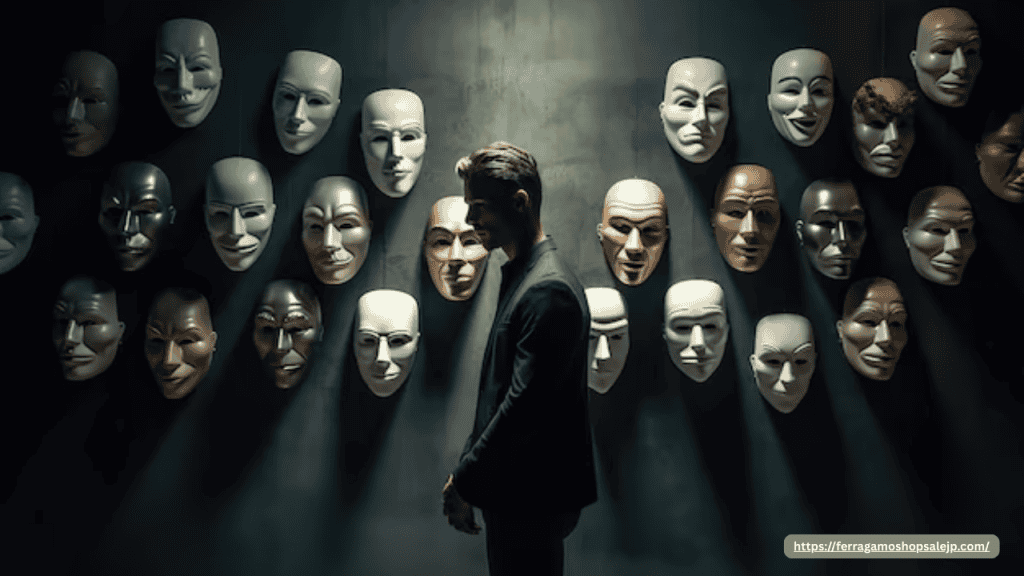
In a world that celebrates success through symbols—designer clothes, luxury cars, upscale homes—it’s easy to assume that those who appear to “have it all” are also emotionally fulfilled. But beneath the surface of material wealth, there often lies a silent struggle: emotional scarcity. For many, luxury becomes more than just a reward for hard work; it becomes a mask to hide pain, insecurity, and a deep sense of emptiness.

The Illusion of “Having It All”

Luxury goods often serve as signals of success and status. A Rolex, a Louis Vuitton bag, or a penthouse apartment doesn’t just represent taste—they’re culturally accepted proof that someone has “made it.” But appearances can be deceiving. Just because someone wears designer labels or posts glamorous vacations doesn’t mean they are emotionally grounded or internally at peace.

In many cases, the more extravagant the lifestyle, the more desperate the attempt to fill an internal void. Emotional wounds such as childhood neglect, abandonment, insecurity, or the need for validation can drive people to chase material symbols in hopes of soothing what they’re unable to heal emotionally.

Emotional Scarcity and the Need for Display

Emotional scarcity isn’t always obvious. It manifests in subtle but powerful ways—such as chronic loneliness, the inability to form deep connections, or a constant need for validation. When people don’t feel emotionally safe, loved, or accepted, they may turn to wealth as a substitute. The underlying belief becomes: “If I look successful, I’ll be worthy. If I live luxuriously, no one will see how broken I feel inside.”

This is why material possessions can become addictive. The high of a new purchase, the compliments, the envy of others—all of it temporarily numbs emotional pain. But like any coping mechanism, it never truly satisfies. Emotional wounds can’t be healed by what we wear or drive; they require introspection, vulnerability, and genuine connection.

The Social Media Mirage

Social media amplifies this illusion. We scroll through curated images of luxury and success, often unaware of the emotional toll behind the scenes. What looks like a perfect life may, in reality, be filled with anxiety, disconnection, or a lack of purpose. The pressure to maintain this image can be crushing, creating a cycle where people feel forced to keep performing success even as they suffer silently.

Reclaiming Worth Beyond Wealth

There’s nothing wrong with enjoying luxury—when it comes from a place of genuine appreciation rather than emotional compensation. The problem arises when self-worth becomes dependent on material display. True emotional health comes from self-acceptance, honest relationships, and inner peace—not the labels we wear or the lifestyle we project.

To begin healing, we must ask ourselves tough questions: Are we buying things to feel better about ourselves? Are we hiding behind success to avoid facing pain? And most importantly, who are we when the luxury fades?

In the end, the most valuable wealth isn’t found in what we own—but in who we are without the mask.

The Power Suit Deception: When Confidence is Just a Costume

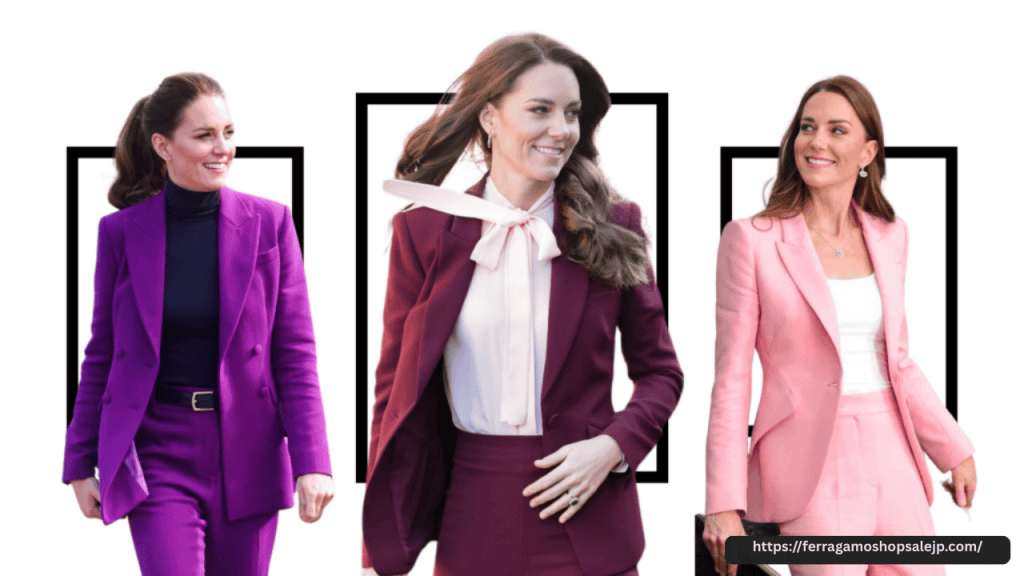
In the professional world, few symbols are as iconic as the power suit. Crisp lines, bold colors, tailored fits—it’s a uniform that exudes authority, capability, and control. But beneath the surface of that powerful image lies a lesser-known truth: sometimes, the power suit is more costume than confidence, more defense mechanism than genuine self-assurance.

The Psychology Behind the Power Suit

Clothing has long been associated with psychological impact. Studies show that what we wear can influence not only how others perceive us, but also how we perceive ourselves. A well-fitted suit can make someone feel assertive, motivated, and respected. This is why power dressing became so popular in high-stakes industries like law, finance, and politics—outfits that convey strength tend to command attention.

But there’s another side to this. For many, the power suit doesn’t reflect how they actually feel. Instead, it becomes a carefully curated mask—worn to hide anxiety, self-doubt, or a deep fear of inadequacy. Behind the poised exterior may be someone who constantly questions their worth, dreads failure, or feels like an imposter in their role.

Imposter Syndrome in Disguise

One of the most common emotional experiences tied to this deception is imposter syndrome—the belief that you’re not as competent as others think you are, and that it’s only a matter of time before you’re found out. The power suit can temporarily quiet that voice. If you look the part, maybe you’ll believe you belong. Maybe others will, too.

The problem is, relying on external appearance to validate internal worth is like building a house on sand. It doesn’t last. When the suit comes off, the self-doubt creeps back in. And the cycle begins again—reaching for the next outfit, the next persona, to armor up against the fear.

Image Over Authenticity

In many workplaces, vulnerability is still viewed as weakness. There’s pressure to always “have it together,” to appear confident even when you’re overwhelmed. As a result, people often use their wardrobe to maintain the illusion. They may look put-together and in control, but inside, they’re burnt out, anxious, or emotionally detached.

This dynamic isn’t limited to the corporate world. Public speakers, leaders, and even educators often put on their “performance attire” to channel the version of themselves that feels more capable than their true, unguarded self. But when we constantly present a filtered version of ourselves, we lose the opportunity to build genuine relationships—ones based on trust, humility, and realness.

Redefining Real Confidence

True confidence doesn’t come from what you wear—it comes from self-acceptance. That doesn’t mean giving up on professional style. It means recognizing when your image is a tool, and when it’s a shield. The goal should be alignment between the outer self and the inner one.

The power suit isn’t the enemy. But it shouldn’t be the source of your power. Confidence built from within doesn’t fade when the costume comes off—and that kind of strength is far more lasting than anything you can buy off a rack.

Hiding in Plain Sight: How Clothes and Image Become a Shield for Insecurity

In a world where appearance often determines how we’re perceived, it’s no surprise that many people turn to clothing and image as a form of self-protection. What we wear and how we present ourselves can speak volumes before we ever say a word—but sometimes, what we’re saying with our style isn’t the full truth. For many, clothes become a shield, a way to mask insecurity and present a version of themselves that feels more acceptable, more confident, or more in control than the person they truly feel like inside.

The Style-Confidence Illusion

Fashion has the power to transform. A sharp suit, a bold lipstick, or a perfectly curated outfit can make someone feel powerful, desirable, and seen. And that’s not necessarily a bad thing. There’s a real connection between what we wear and how we feel. But the issue arises when style is used not for expression, but for protection—when the goal isn’t to feel good, but to hide.

People struggling with low self-esteem, body image issues, social anxiety, or a lack of self-worth often use fashion as a mask. They might dress impeccably not because they feel confident, but because they’re afraid of being judged. The effort put into the outfit becomes a form of armor, a way to control the narrative before anyone can get close enough to see the truth.

The Fear Behind the Fabric

Why do people hide behind clothes and image? The reasons run deep. Insecurity breeds fear—fear of being rejected, misunderstood, or exposed. A polished appearance can feel like a safe barrier between the self and the world. It’s easier to let people admire your shoes than risk them seeing your shame. It’s safer to be complimented on your jacket than to open up about your loneliness or your doubts.

This is particularly common in environments where image is currency: high-pressure careers, social media, fashion circles, or even school. People often feel that if they “look the part,” they’ll be accepted, respected, or loved—whether or not they actually feel that way inside.

The Hidden Toll of the Disguise

Over time, hiding behind an image can become exhausting. It creates a disconnection between the internal and external self, making authenticity feel risky or even impossible. The pressure to keep up appearances can lead to anxiety, burnout, and a persistent fear of being “found out.”

Worse still, the mask can prevent genuine connection. If people only know the curated version of you, you may begin to wonder if they’d accept the real you. The very thing used to gain approval ends up reinforcing the fear of being unlovable without it.

Moving Toward Authentic Confidence

There’s nothing wrong with enjoying fashion or wanting to present yourself well. But true confidence doesn’t come from hiding your flaws—it comes from embracing them. The next time you get dressed, ask yourself: Am I expressing myself, or protecting myself?

Being seen for who you are, insecurities and all, is a powerful act. And sometimes, letting the world see a little less perfection—and a little more truth—is the first step toward real self-worth.

Smiling Through the Struggle: The Art of Looking Put-Together While Falling Apart

In a culture obsessed with appearances and positivity, many people have mastered the art of looking “okay” on the outside while silently falling apart inside. A bright smile, a polished outfit, and a calm demeanor often mask what’s really going on beneath the surface. This emotional camouflage is more common than we think—and it’s one of the most overlooked signs of inner struggle.

The Pressure to Hold It Together

Society praises strength, resilience, and positivity, often at the expense of authenticity. We are taught to keep going, stay strong, and “fake it till you make it,” even when we’re barely holding on. As a result, many people become experts at masking pain with a smile and distress with a well-put-together image.

Looking composed becomes a coping mechanism—especially for those who feel they don’t have the space or permission to be vulnerable. Whether it’s a parent holding it together for their kids, a professional maintaining composure at work, or a friend who’s always the “strong one,” the performance of stability often hides deep emotional exhaustion.

The Mask of Functionality

One of the most misleading aspects of internal struggle is that it doesn’t always look like chaos. People who are suffering may still go to work, dress well, socialize, and fulfill responsibilities. They smile in photos, show up on time, and may even seem high-functioning to the outside world.

But behind the scenes, they may be battling anxiety, depression, grief, or burnout. The energy it takes to appear “fine” is immense, and over time, the effort to maintain this illusion can become overwhelming.

This hidden pain is often referred to as “smiling depression” or “high-functioning anxiety”—conditions where individuals appear outwardly successful and happy but suffer quietly. Because they don’t “look” like they’re struggling, their pain often goes unnoticed and unsupported.

Why People Hide Their Struggles

There are many reasons why people keep their emotional pain hidden. Fear of judgment, shame, or being perceived as weak can prevent them from opening up. Some have been conditioned to believe that showing emotion is a sign of failure, or that their problems aren’t “serious enough” to warrant help.

For others, the disguise is a form of protection. By looking put-together, they avoid uncomfortable questions and keep control over how they are perceived. The smile becomes a shield—a way to deflect attention from the storm within.

Creating Space for Authenticity

Recognizing that someone can look “perfect” and still be struggling is crucial. It’s a reminder to approach others—and ourselves—with compassion rather than assumption. Check in with your strong friends. Be gentle with those who always seem okay. And if you’re the one smiling through the struggle, know that it’s okay to let the mask down. Vulnerability is not weakness—it’s strength in its rawest form.

Healing starts with honesty, and sometimes the bravest thing you can do is say, “I’m not okay.” Behind every polished exterior is a human being who deserves support, understanding, and the freedom to be real.

Behind the Designer Labels: When Wardrobe Becomes a Disguise for Emotional Struggles

In a society that values appearance and status, clothing is often more than just fabric—it is a statement. While fashion allows individuals to express creativity and personality, it can also serve as a mask, concealing deeper emotional struggles. Behind the designer labels and luxurious outfits, many people are silently battling anxiety, insecurity, and pain. Wardrobe choices can sometimes be less about style and more about survival—an attempt to shield vulnerabilities from the world.

The Illusion of Confidence

Luxury fashion and high-end brands are often associated with success, power, and happiness. When someone walks into a room wearing an expensive suit or carrying a designer handbag, they immediately command attention and respect. This perception can be intoxicating for individuals who feel inadequate or unseen. Dressing in luxury can offer a temporary escape from feelings of self-doubt, creating an illusion of confidence even when it doesn’t exist internally.

Many people who struggle with low self-esteem or imposter syndrome rely on fashion as a way to validate their worth. The right outfit can create a sense of belonging in elite social circles or professional environments. However, this external validation is often fleeting. No matter how many designer labels one wears, internal struggles remain unresolved.

Luxury as Emotional Armor

For some, expensive clothing becomes a form of emotional armor. Wearing luxury brands can act as a shield against judgment, making it seem as though everything is perfect on the surface. People who are struggling with personal issues—such as relationship problems, financial stress, or mental health challenges—may use their wardrobe to distract from their pain.

This is especially common in industries where image is everything. Celebrities, influencers, and business professionals often feel immense pressure to look successful, even when their personal lives are in turmoil. By maintaining an impeccable appearance, they avoid uncomfortable questions or the stigma that comes with vulnerability.

The Cost of Maintaining the Illusion

While fashion can provide a temporary boost in confidence, relying on it as a disguise can have long-term consequences. The pressure to keep up with designer trends can lead to financial strain, with individuals spending beyond their means to maintain a luxurious image. This cycle can create stress and anxiety, deepening the very struggles that fashion was meant to conceal.

Moreover, constantly presenting a polished image can prevent genuine connections. When people hide behind designer labels, they may attract relationships based on superficial qualities rather than authenticity. Over time, the fear of being “exposed” can lead to loneliness and isolation.

Embracing Authenticity Over Appearance

True confidence does not come from clothing, but from self-acceptance. While there is nothing wrong with enjoying fashion and luxury, it is important to recognize when wardrobe choices are being used to mask deeper issues. Seeking support, whether through therapy, self-reflection, or open conversations, can help individuals break free from the need to rely on appearances for validation.

At the end of the day, designer labels may impress others, but they cannot heal what’s inside. True beauty and self-worth come from embracing who you are, beyond the clothes you wear.

The Illusion of Perfection: How People Use Style to Hide Their Pain

In a world that values appearances, many people go to great lengths to present a flawless image, even when they are struggling internally. Fashion, beauty, and carefully curated aesthetics often serve as tools to conceal pain, insecurity, and emotional distress. The illusion of perfection allows individuals to project confidence and success while hiding their struggles from the outside world. But behind the polished exterior, there is often a deeper story of pain, pressure, and the fear of being truly seen.

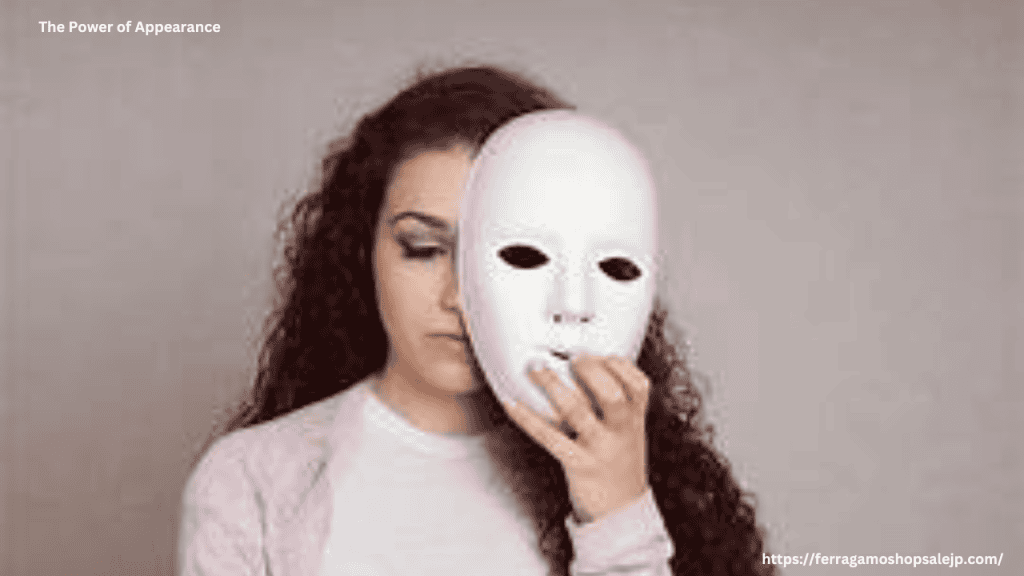
The Power of Appearance

Humans are naturally drawn to beauty, associating well-dressed and well-groomed individuals with success, happiness, and stability. This societal bias creates pressure to maintain a put-together appearance, even in the midst of personal turmoil. People who are battling depression, anxiety, or trauma often use fashion and style to craft an external image that contradicts their inner struggles.

A bright, stylish outfit can give the impression of joy and confidence, even when the person wearing it feels empty inside. A designer handbag or an expensive suit may project financial success, even if the person is drowning in debt. The illusion of perfection becomes a survival mechanism—an attempt to protect oneself from judgment, pity, or unwanted attention.

Hiding Behind Luxury and Trends

For some, high-end fashion and luxury brands become more than just a preference—they become a mask. Wearing expensive clothing can create a sense of status and power, allowing individuals to feel valuable in a world that often measures worth by material possessions. The pressure to keep up with trends and maintain an aspirational image can be overwhelming, leading people to spend beyond their means just to sustain the illusion.

Social media plays a significant role in reinforcing this behavior. Platforms like Instagram and TikTok showcase curated images of perfection, making it easy to compare oneself to influencers and celebrities who appear to have it all. Many people feel the need to present a similarly polished life, carefully selecting outfits, angles, and filters to maintain an idealized version of themselves. But behind the screens, many of these individuals are battling insecurities, loneliness, and mental health struggles.

When Fashion Becomes a Coping Mechanism

Using style as a form of self-expression is not inherently negative. Dressing well can boost confidence and provide a sense of control in a chaotic world. However, when fashion becomes a way to hide pain rather than embrace authenticity, it can lead to emotional exhaustion. The constant need to uphold an illusion of perfection can prevent individuals from seeking help or expressing vulnerability.

Many high-profile figures have exemplified this struggle. Celebrities who appear glamorous on red carpets often reveal, in private interviews or memoirs, the battles they face behind the scenes. The pressure to maintain an impeccable image can feel suffocating, leading to anxiety, depression, and even self-destructive behaviors.

Embracing Authenticity Over Perfection

Breaking free from the illusion of perfection requires courage. It means recognizing that true self-worth is not determined by external appearances but by self-acceptance and inner well-being. While fashion and style can be empowering, they should not serve as a substitute for emotional healing.

By embracing authenticity and allowing ourselves to be vulnerable, we create space for genuine connections and self-growth. Perfection is an illusion, but self-acceptance is real—and that is where true confidence begins.

Dressed to Impress, Distressed Inside: How Fashion Masks Inner Struggles

In a world where appearance often dictates perception, fashion has become more than just self-expression—it has become a shield. Many individuals use clothing, accessories, and a carefully curated image to disguise internal struggles, creating an illusion of confidence, success, or emotional stability. While style can be empowering, it can also serve as a mask that conceals deeper emotional pain.

The Illusion of Perfection

Social media, pop culture, and societal expectations pressure individuals to present themselves as polished and put-together. The phrase “dress for the job you want” extends beyond career aspirations—it infiltrates personal life, where looking good is often equated with being good. A well-dressed person is assumed to be thriving, while disheveled attire is often linked with struggle. This perception leads many to hide their battles beneath luxury brands, tailored suits, and designer bags.

Fashion as Emotional Armor

Clothing plays a significant role in self-perception and how others perceive us. Many struggling with anxiety, depression, or low self-worth turn to fashion as a way to control their narrative. A person suffering from depression might meticulously put together an outfit to appear cheerful, while someone battling insecurity might overcompensate with expensive clothing to project confidence.

Luxury items and high-end fashion, in particular, create a sense of status and power. For some, these items provide a temporary escape from feelings of inadequacy, making them feel valuable in a world that often judges based on appearances. However, this external polish does not always reflect internal well-being.

When Appearance Becomes a Facade

There is a fine line between dressing well for self-expression and using fashion as a coping mechanism. Many celebrities, influencers, and high-profile figures embody this struggle—dressing in extravagant outfits while privately battling mental health issues. The late fashion designer Alexander McQueen, known for his avant-garde designs, struggled with depression despite his iconic creations. His story reflects how even those who shape the fashion industry can use clothing as a mask.

Similarly, social media influencers often showcase curated images of perfection, concealing personal hardships behind designer outfits and flawless aesthetics. The desire to maintain an idealized image can lead to emotional exhaustion, further exacerbating mental distress.

Breaking Free from the Illusion

Acknowledging that fashion can sometimes be a form of emotional camouflage is the first step toward authenticity. While dressing well can boost confidence, true self-worth should not be dependent on outward appearance alone. Open conversations about mental health, self-acceptance, and vulnerability can help individuals break free from the cycle of masking distress with external perfection.

Ultimately, fashion should be a form of self-expression rather than a disguise. True confidence comes not from the labels we wear, but from the ability to embrace our struggles and seek support when needed. The most powerful statement one can make is not just through clothing—but through authenticity and emotional well-being.

The Hidden Struggles Behind the Perfect Wardrobe: How Fashion Masks Personal Issue

In a world where image and presentation hold immense power, fashion is more than just a way to dress—it is a statement, a shield, and often, a disguise. Many people invest time and effort into curating the perfect wardrobe, ensuring that every outfit is flawless and on-trend. However, beneath the surface of polished appearances often lie hidden struggles—personal issues that fashion helps to mask. From anxiety and depression to low self-esteem and past trauma, clothing can become a tool not just for self-expression but also for self-protection.

Fashion as a Coping Mechanism

For individuals facing emotional distress, fashion can serve as a coping mechanism, offering a sense of control and stability in an otherwise chaotic world. When life feels overwhelming, carefully selecting an outfit can create a structured routine that brings comfort. Wearing a perfectly coordinated look can provide a temporary boost of confidence, even if it does not address the underlying emotional struggles.

For instance, someone battling depression might invest heavily in high-end clothing or accessories to compensate for feelings of worthlessness. They may believe that looking good externally will help them feel better internally, even if the effect is short-lived. Similarly, individuals with anxiety may obsess over their outfits, using meticulous styling as a way to distract from their inner turmoil.

The Illusion of Perfection

Society often associates looking good with feeling good, reinforcing the idea that those who dress well must have their lives together. This expectation puts pressure on individuals to maintain a polished image, even when they are struggling emotionally. A well-dressed person may receive admiration and compliments, further motivating them to continue using fashion as a mask.

This illusion of perfection is especially prevalent on social media, where influencers and celebrities curate picture-perfect looks that rarely reflect their real lives. Seeing these idealized images can make ordinary individuals feel that they, too, must always appear flawless, leading them to hide their struggles behind stylish outfits and carefully curated personas.

Emotional Armor: Using Clothing to Conceal Vulnerability

For many, clothing becomes a form of emotional armor, protecting them from judgment and scrutiny. Wearing expensive brands or meticulously styled outfits can create a barrier between the wearer and the outside world, allowing them to control how others perceive them.

People who have experienced past trauma or rejection may use fashion as a way to rebuild their self-worth. By dressing in a way that demands attention or exudes confidence, they attempt to reshape how the world sees them. However, this can sometimes deepen their struggles, as they may feel pressure to constantly maintain an unattainable standard.

Breaking Free from the Fashion Mask

While fashion can provide temporary relief, true healing comes from addressing personal struggles rather than concealing them. Seeking support from friends, family, or professionals can help individuals process their emotions in a healthy way. Finding a balance between using fashion for self-expression and acknowledging one’s inner battles is crucial for long-term emotional well-being.

In the end, clothing should enhance one’s confidence, not serve as a mask for pain. Embracing authenticity—both in style and in life—can lead to a more fulfilling and emotionally healthy existence.

Behind the Fashion: How Clothing Can Mask Deeper Struggles

Fashion has long been an expression of individual personality, creativity, and social status. From the way we dress, we can communicate our moods, preferences, and even aspirations. However, for many people, clothing becomes more than just a reflection of who they are—it can serve as a shield to mask deeper emotional, mental, or personal struggles. Whether it’s an attempt to maintain a sense of control, avoid judgment, or escape from the harsh realities of life, the clothes people wear often conceal far more than they reveal.

At the surface level, dressing well can give the impression of confidence, success, and self-assuredness. A well-put-together outfit—sharp suits, fashionable dresses, or perfectly coordinated accessories—can create an aura of elegance and sophistication. For some, these external appearances are part of an effort to project an image of perfection, even when their internal reality is far from it. A carefully curated wardrobe might hide signs of anxiety, depression, or personal turmoil, allowing individuals to move through the world without revealing the emotional weight they carry.

The relationship between fashion and masking emotional pain often starts with a desire to fit in. For those struggling with mental health challenges or life difficulties, the fear of being seen as “different” can be overwhelming. Dressing in ways that align with societal norms or group expectations can create a sense of belonging. For instance, someone battling loneliness or low self-esteem may use fashion to simulate confidence, seeking acceptance through their appearance in an attempt to compensate for their inner struggles. In this way, clothing can act as a form of armor, shielding the individual from external scrutiny.

Similarly, many use their wardrobe to escape from unresolved issues. Clothes can serve as a distraction, a way to divert attention from emotional wounds. When life feels unmanageable, focusing on outer appearances provides temporary relief. Shifting focus to the latest fashion trends or perfecting one’s look allows a person to forget, at least for a little while, the painful emotions or life challenges they may be facing. The thrill of buying new clothes, putting together a striking outfit, or receiving compliments on one’s appearance can provide fleeting moments of confidence and happiness. In these moments, the exterior becomes a fortress that blocks out feelings of inadequacy, fear, or sorrow.

However, the effort to maintain a polished image can come with its own set of challenges. The constant pressure to look “perfect” can be exhausting and leave little room for emotional vulnerability. It may require significant energy to keep up the façade, leading to burnout and a sense of disconnection from one’s true self. The longer the charade is maintained, the harder it becomes to reconcile the gap between the outward appearance and inner reality. This dissonance can deepen feelings of isolation, as the individual may feel unable to share their true feelings with others, afraid that doing so might shatter the image they’ve so carefully crafted.

In the world of fashion, it’s crucial to recognize that the clothes we wear don’t tell the full story of who we are. While it’s easy to judge a person based on their appearance, the truth is that everyone has battles they’re fighting behind closed doors. Fashion may mask deeper struggles, but it’s also important to remember that there’s often more beneath the surface than what the eye can see. Understanding this complexity can foster empathy, compassion, and a greater sense of connection between individuals, reminding us that we all have our own personal journeys, visible and invisible alike.