
Dressing Up the Pain: The Psychology of Using Style to Conceal Emotional Distress

For many, clothing is a form of self-expression—a tool to project an image or convey a mood. But for some, style becomes more than just a means of fashion; it becomes a coping mechanism, a carefully constructed facade that conceals emotional distress. While fashion can serve as an empowering, creative outlet, it also allows individuals to mask feelings of insecurity, sadness, and anxiety behind a polished appearance. Understanding the psychology behind dressing up to hide emotional struggles reveals how clothing can be both a defense mechanism and a silent cry for help.

Psychologists suggest that people often use clothing as a way to influence others’ perceptions of them, which can be particularly appealing when they feel vulnerable or out of control. This strategy is a form of “impression management,” where people consciously or subconsciously curate their outward appearance to shield what they are truly experiencing. By maintaining an impeccable or trendy style, individuals can divert attention away from their inner pain and create a sense of normalcy or even confidence, even if they are suffering underneath the surface.

The motivation to use style as a cover-up often stems from a desire to maintain control. When life feels unpredictable or emotions feel overwhelming, carefully choosing what to wear can bring a sense of order and stability. For example, someone going through a tough breakup or a period of depression might opt for a bright, well-coordinated outfit to project strength and resilience. This outward image can feel empowering, even if it is a temporary shield. In a way, fashion becomes a form of armor, helping people face the world with a semblance of composure.

Moreover, fashion can be a way to avoid vulnerability. Society often values strength and self-sufficiency, leading people to worry that showing their true feelings will make them appear weak or incapable. Rather than risk being vulnerable, some may prefer to mask their emotions with a sophisticated wardrobe, hiding pain behind meticulously chosen clothing and accessories. This “fashion armor” becomes a way of coping in social settings, where questions about their well-being might otherwise arise. A well-dressed appearance signals that everything is fine, potentially warding off unwanted questions or concerns.

Social media and cultural pressures also play a role in encouraging people to “dress up” their distress. In an era where curated images and picture-perfect lives are the norm, there is immense pressure to present oneself as always “put-together.” This can be especially hard for those struggling internally, as they may feel that looking anything less than flawless might invite judgment. As a result, they turn to fashion as a tool to hide their struggles and maintain an illusion of perfection, often exhausting themselves in the process.

However, while style can temporarily alleviate or distract from emotional pain, it does not address the underlying issues. In fact, constantly relying on appearance to mask distress can contribute to a disconnect between one’s inner and outer self, perpetuating feelings of isolation and loneliness. Instead, experts suggest finding a balance between expressing oneself through fashion and acknowledging personal struggles in more constructive ways, such as seeking therapy, talking with trusted friends, or engaging in self-reflection.

In conclusion, dressing up to conceal pain is a common coping strategy that allows individuals to project a sense of strength, normalcy, or confidence. While clothing can serve as a temporary shield, true emotional healing requires courage and honesty—both with oneself and with others. Embracing vulnerability may not be easy, but it allows people to confront and heal from their inner struggles, ultimately leading to a more authentic and fulfilling life.
How People Use Fashion to Hide Their Internal Struggles

In a world where appearance often takes center stage, the old adage “clothes make the man” has evolved into a more complex truth: “clothes can mask the person.” The modern obsession with fashion and personal appearance extends beyond mere aesthetics. For many, the pursuit of a flawless image serves as a powerful tool to conceal internal struggles, making it increasingly difficult to discern the emotional and psychological battles lying beneath a well-curated exterior.

Fashion has long been a form of self-expression, but today it also acts as a mask for deeper issues. The drive to maintain an impeccable appearance can be a double-edged sword. On one hand, it can enhance self-confidence and provide a sense of control. On the other hand, it can also serve as a shield, concealing underlying mental health issues such as anxiety, depression, or self-esteem problems.

For individuals grappling with these challenges, the pursuit of a perfect wardrobe can become a coping mechanism. Investing time and resources into creating a polished look provides a temporary distraction from personal difficulties and offers a semblance of control in an otherwise chaotic world. This emphasis on appearance can be particularly pronounced in social media culture, where curated images and filtered snapshots perpetuate an ideal of perfection that often contrasts sharply with reality.

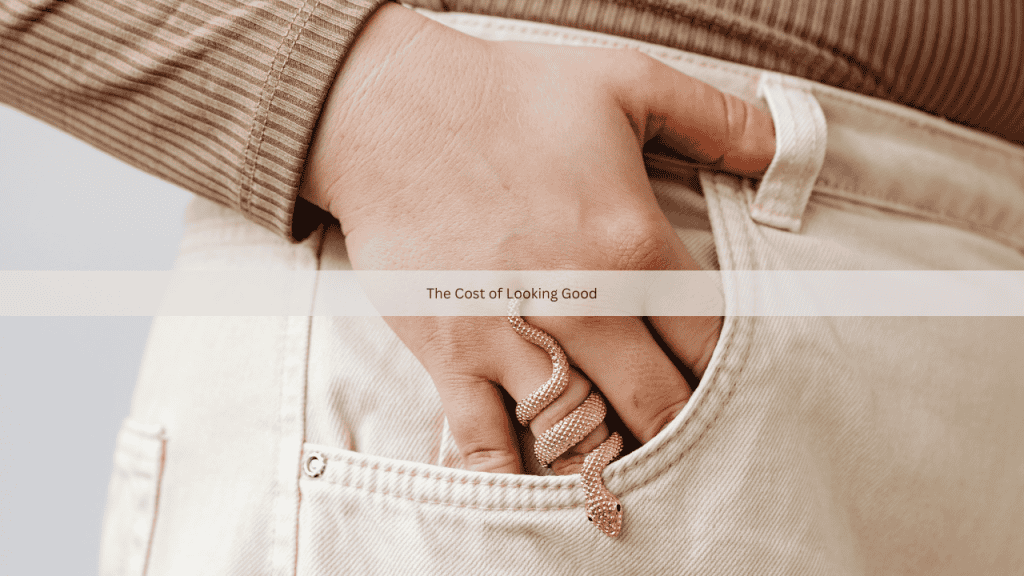
The cost of this facade extends beyond financial expenditure. The pressure to constantly appear flawless can lead to significant emotional and psychological strain. For instance, the anxiety of maintaining a particular image can exacerbate feelings of inadequacy or isolation, as individuals may feel trapped in a cycle of perpetual dissatisfaction and self-criticism. The fear of being perceived as flawed or vulnerable can prevent people from seeking help or expressing their true emotions, further entrenching them in their struggles.

Moreover, the reliance on fashion as a mask can foster unhealthy comparisons and unrealistic expectations. The prevalence of idealized images in media and advertising can skew perceptions of beauty and success, leading individuals to equate their worth with their appearance. This can result in a distorted sense of self and an unhealthy focus on external validation, rather than addressing the root causes of their internal conflicts.

Interestingly, while fashion can obscure personal struggles, it can also be a pathway to self-awareness and healing. For some, the process of examining their relationship with clothing and appearance can prompt deeper reflection on their values and self-worth. Fashion can serve as a form of personal expression and empowerment, allowing individuals to embrace their authentic selves and confront their issues head-on.

Ultimately, the interplay between fashion and personal struggles highlights the complexity of human behavior. While clothing can undoubtedly influence perceptions and provide a temporary escape from emotional turmoil, it is essential to recognize that true well-being comes from addressing internal issues rather than masking them. Encouraging open dialogue about mental health and promoting a more inclusive and diverse definition of beauty can help shift the focus from superficial appearances to the substance of individual experiences.

In a society increasingly driven by appearances, understanding the cost of looking good involves acknowledging the deeper emotional and psychological factors at play. By fostering empathy and encouraging authenticity, we can move towards a more compassionate approach to both fashion and mental health, allowing individuals to feel valued for who they truly are, beyond the confines of their outward appearance.

Behind the Facade: How Stylish Outfits Mask Personal Struggles

In a world where appearances often hold significant sway, it’s no surprise that many people use fashion as a shield, concealing their personal struggles behind a facade of stylish outfits. This phenomenon goes beyond mere vanity; it’s a complex interplay between self-perception, societal expectations, and emotional management.

Fashion has long been a powerful tool for self-expression. For many, choosing the right outfit can be a way to project confidence, sophistication, or success. However, this exterior can sometimes serve as a mask for deeper, more challenging issues. When someone meticulously curates their wardrobe and presents themselves with impeccable style, it can be a strategic effort to divert attention from underlying emotional or psychological struggles.

Consider the individual who always dons the latest trends, sporting designer labels and immaculate grooming. On the surface, they might seem like the epitome of success and self-assuredness. Yet, this polished exterior can often be a carefully constructed barrier, hiding feelings of insecurity, depression, or anxiety. The effort put into maintaining a perfect appearance can be an attempt to control how others perceive them, creating a buffer against vulnerability.

This dynamic is particularly prevalent in social media culture, where curated images and influencer personas dominate. Platforms like Instagram and TikTok are replete with profiles showcasing glamorous lifestyles and flawless fashion. While these portrayals can inspire and entertain, they can also create unrealistic standards. For some, the pressure to conform to these ideals can exacerbate their internal struggles, pushing them to adopt a facade of perfection that masks their true feelings.

The psychological underpinnings of this behavior are multifaceted. On one hand, presenting oneself well can bolster self-esteem and provide a temporary sense of control. For individuals facing emotional distress, the act of dressing well might offer a fleeting escape or a means of regaining some semblance of normalcy. On the other hand, the constant need to uphold this image can be exhausting and may deepen feelings of isolation, as the person struggles to reconcile their public persona with their private reality.

Moreover, societal expectations play a significant role in reinforcing this behavior. There’s often an implicit belief that outward success and attractiveness equate to personal happiness and stability. This notion can pressure individuals to maintain a polished appearance, even when they are struggling internally. The dissonance between their exterior and their inner life can contribute to a cycle of self-deception and emotional strain.

The consequences of this masking behavior are not insignificant. It can lead to a form of emotional dissonance where the person feels increasingly detached from their true self. The constant need to project a certain image can prevent them from addressing their issues openly and seeking help. This detachment can hinder genuine self-awareness and personal growth.

Recognizing this pattern is crucial for both individuals and society. It’s important to understand that a well-dressed exterior does not necessarily indicate emotional well-being. Encouraging open dialogues about mental health and reducing the stigma around vulnerability can help break down these facades. Supporting a culture where people feel safe to express their struggles without fear of judgment can pave the way for more authentic connections and healthier self-expression.

In conclusion, while stylish outfits and polished appearances can be empowering, they can also serve as a veil for personal struggles. Understanding the complex relationship between image and emotional health is essential for fostering a more empathetic and supportive society. By acknowledging the facades people build and the challenges they face behind them, we can move towards a more compassionate approach to both personal and collective well-being.

How People Mask Their Problems

Everyone experiences difficulties in life, but not everyone feels comfortable discussing their issues. Rather than confront their problems head-on, many people opt to mask them instead. Masking one’s problems can take various forms, ranging from compulsive behavior to people-pleasing. While this can provide short-term relief, it ultimately interferes with the individual’s ability to manage their own life and live happily.

One such masking tactic is often referred to as “acting out” – behaviors that can make a person feel powerful or in control. For example, an individual may feel overwhelmed by a stressful situation and lash out by yelling or using aggressive language. In the moment, this may provide a sense of comfort, but in the long run, it can create more conflict. Other examples include drinking excessively, reckless spending, and risky sexual behavior.

People often mask their problems through their jobs or hobbies. Many individuals will compulsively place their attention on activities such as work, studying, or sports. This gives them a sense of control and allows them to feel productive without actually directly addressing the underlying problems in their lives. These activities can also be a great source of a person’s identity—they may find joy in their accomplishments, but their performance is not necessarily a true representation of their innermost thoughts and feelings.

People may also mask their problems through people-pleasing. An individual may make themselves overly available to friends, family, or colleagues in an effort to “win” people’s approval. They may find themselves saying yes to requests for help, assistance, or favors that deep down they know they can’t and don’t want to fulfill. By constantly accommodating others, people can avoid conversations or situations that could bring up a difficult topic.

Masking one’s problems can be harmful. It can keep people from facing the underlying issues and prevents them from finding lifelong solutions. Further, it can lead to physical and emotional exhaustion, mistrust in those around them, and compulsions that further successively worsen the individual’s life.

Rather than masking problems, it is best to investigate them. Taking the time to reflect on yourself and your current situation may feel daunting and uncomfortable, but it is one of the best methods for finding true, lasting solutions. If you or a loved one is struggling, it is important to reach out for professional support. Therapy or counseling can provide a safe space to process and express emotions, and can help you untangle the complex patterns and drives related to your problems.

The goal should ultimately be to develop healthy coping strategies to address any underlying issues. Emotional and mental health is difficult to navigate, but with patience and persistence, it is possible to move forward in a constructive way.

Effective Ways of Dealing with One’s Internal Strife

Life can be difficult and filled with stress and turmoil that we have to face each and every day. For many, this can result in an internal struggle that can be hard to manage and cope with. From personal issues to professional problems, there can be an array of internal struggles that cause distress. Fortunately, there are healthy and effective ways to deal with this strife. Below are some suggestions for dealing with internal strife.

Take some time: One of the most beneficial things to do when battling internal strife is to take a step back and take some time. Take a break from the situations or conflicts that are causing strife and allow yourself the opportunity to relax, regroup, and refresh. This can give you time to think about the struggle from a distance and can provide some clarity on the situation.

Journal your thoughts: Journaling your thoughts and feelings can be a great way to express and document your internal struggles. Writing down these issues can help to make them more tangible and can also release your feelings in a constructive way.

Focus on the positives: One of the most important things to do when dealing with internal strife is to focus on the positives. Find the good in every situation and remind yourself of those things that make you feel good and fulfilled. Even in the toughest of times, there will be something to be thankful for and focusing on the positives can help to replace negative feelings.

Connect with positive people: When dealing with internal strife, it is essential to surround yourself with positive and uplifting people. Being around those who support you and make you feel good can help significantly when facing internal struggles.

Meditate and practice mindfulness: Meditation can help to calm the mind and body and give you the clarity needed to focus on personal needs. Taking even five minutes a day for relaxation and concentration on breathing and personal needs can do wonders for relieving inner stress. In addition, mindfulness practices can help to focus attention on the moment and ignore any thoughts that cause distress.

Listen to music: Music can be a powerful tool for dealing with inner turmoil. Find the kind of music that best suits your needs and plays it whenever there is an inner conflict. Music can be calming, energizing, and can also help bring about clarity and peace.

Exercise: Exercise is a great way to reduce stress and deal with internal strife. Even just a moderate amount of exercise can go a long way toward reducing tension and helping to clear the mind.

When dealing with inner strife, it is important to remember that it is a part of life’s daily struggles. Unfortunately, it is inevitable that there will be times when these issues can be overwhelming. However, by taking some time for yourself, connecting with positive people, and engaging in activities such as journaling, exercise, listening to music, and meditating, there are effective ways to combat inner distress and come out stronger on the other side.

How to Be Okay When Life Suddenly Changes

Life as we know it can change in an instant. Whether it is caused by loss, illness, relationship dynamics, job shift, or anything else, when life suddenly changes it can be hard to cope. While this level of life change can be overwhelming and frightening, there are steps you can take to transition smoothly into a new life and mindset.

1. Acknowledge that the change has happened.

One of the best things you can do is process the change and accept that it has happened. It is natural to feel grief and mourning for the life and situation that has been left behind. Allow yourself the time and space to acknowledge your sadness and pain. Feel it deeply, and recognize that your feelings are valid.

2. Recognize the opportunities that the situation might bring.

In the midst of change and disruption, it can be easy to feel desperate and helpless. Despite this sensation, take some time to explore the new opportunities that may arise from the situation. Additionally, you can take this time to think about life changes and shake-ups that you’ve wanted to make in the past but were unable to due to the inertia of a “normal” life circumstance.

3. Consider creative coping mechanisms.

In order to approach the situation calmly and effectively, it’s important to consider the different stress-relief strategies that are available. This can be anything from meditating or yoga, to intentionally socializing with friends and loved ones, to engaging in projects that help take your mind off of the immense life changes, like writing, painting, and the like.

4. Utilize support networks.

While it might not seem obvious, one of the most effective ways of dealing with life changes is by reaching out to people who can provide you with an emotional anchor and support. These people can be anyone ranging from friends, family, counselors, teachers, and mentors. When people offer you their assistance, accept it with great appreciation.

5. Give yourself emotional space.

In order to be able to cope with the new changes in life, it is important to give yourself the right kind of space that will allow emotional expression and challenges. Make sure to create moments for yourself to relax, reflect, and ponder. Acknowledge your feelings and come to terms with them. Find ways to nurture yourself and care for yourself, building inner strengths and resilience that will eventually lead to better mental health and coping strategies.

Ultimately, when life suddenly changes, it is important to remember that life is fluid and ever-changing. While you can’t control everything, you can control how you react to the changes. Acknowledge your emotions and give yourself space to process them, reach out for help and support, and give yourself time to adjust to the changes. Eventually, with the right approach, you can come to terms with the situation and find a way to move forward. Good luck!

How to Look Good Despite Problems

When it comes to tackling tough problems in life, the last thing on your mind may be how you look. Your personal response to major obstacles in life – such as family turmoil, job loss, financial chaos and feel-good issues – may take precedence over how you outwardly present yourself. But looking good in spite of your problems doesn’t have to be a difficult task. Here are some tips on how to look good despite life’s issues.

Accept that You Don’t Have to Look Perfect

It’s easy to fall into the trap of perfectionism when trying to cope with life’s problems. Don’t think that you have to look picture-perfect in order to be acceptable. Instead, accept that there will be some inconsistencies in your appearance, because life happens. Some women make the mistake of thinking that they have to look perfect in order to feel better, but unfortunately, this is not true. What you can do is accept that it’s okay to take a break from trying to be perfect and instead concentrate on caring for your basic needs. For example, you can put on basic makeup, such as lipstick and mascara, or a little blush to brighten up your face and eyes. You can also groom your hair in a simple style, so that you don’t look overly done up when you’re dealing with life’s problems.

Find Comfort in Fragrance and Color

Fragrance and color can make a major difference in how you feel. While caring for your basic makeup and grooming needs, think about adding a bit of fragrance and color in the form of a light-colored blush, lip balm and eye shadow. Smelling good can also make you feel better. Invest in a light perfume or body spray, so that your personal scent can uplift your mood.

Make Sure to Wear Clothes That Fit

Clothing is one of the best ways to boost your outlook on any situation. If you’re having a hard time dealing with life’s obstacles, choose clothing that fits you well and flatters your figure. Ill-fitting clothing can draw attention to your insecurities and make you feel even worse. Invest in pieces that fit your body and make you feel good about yourself. Also, choose clothing that can help you express yourself, such as comfortable jeans, neutral colored blouses and a classic pair of shoes.

Take Care of Your Skin

Having glowing skin can do more for your mood than you think. When the going gets tough, practice good skin care habits such as washing your face twice a day, using gentle cleansers and applying a light moisturizer at night. You can also take extra steps to make your skin look its best, such as exfoliating and using face masks for a thorough cleanse.

Be Kind to Yourself

Above all, practice a little bit of self-compassion when dealing with life’s problems. Remember that it’s okay to struggle and to look less than perfect. Don’t compare yourself to others, because you never know what’s going on behind closed doors. Instead, focus your energy on taking care of your basic needs and on looking your best in spite of life’s issues.

People’s Attractive Facade

It’s a common misconception that physical attractiveness is the main determinant in how attractive someone is. Although physical appearance is undeniably one of the major factors in people finding someone attractive, there is much more to it than that. In fact, one of the most attractive features a person can have is an attractive facade. An attractive facade is the kind of persona a person exudes which makes them come across more positively to the people around them and make them more likeable.

What makes an attractive facade? It’s not just physical beauty but rather psychological traits that are seen as more attractive by others. Confidence, optimism, an open attitude, and an ability to make others comfortable are all aspects of an attractive facade. People who possess these traits generally come off as more attractive and are more likely to get people’s attention.

Additionally, an attractive facade often includes an element of uniqueness and creativity. People with a well developed aesthetic and those capable of expressing themselves in creative ways can often create an interesting, attractive persona. Of course, being unique doesn’t mean wearing outlandish clothing or acting strange, it simply means having a certain style that says something about who you are and makes you stand out in a crowd.

Having an attractive facade can be incredibly beneficial in all sorts of situations, from work life to social life. People who come off as more confident and likable are more likely to make an impression in the workplace, and those who can make others feel comfortable can have an easier time connecting with new people. An attractive facade establishes the foundation for success in all areas of life and creates the kind of positive energy that everyone can appreciate.

Finally, having an attractive facade doesn’t mean constantly putting on a fake smile just to make yourself seem more friendly and likable. It’s more about expressing who you are in ways that make you feel positive and comfortable. It’s about expressing yourself authentically while also being conscious of the kind of impression you give off. The bottom line is that having an attractive facade can be a major plus for anyone looking to increase their attractiveness and success in the world.

In conclusion, an attractive facade is one of the most important aspects of attractiveness. It can be the difference between coming off as dull and uninteresting or attractive and likable. Confidence, optimism, an open attitude, and creativity are all important components of an attractive facade. It’s about being true to yourself while also being aware of the kind of impression you give off. Having an attractive facade can make you more successful in all areas of life, so it’s worth cultivating if you want to be successful.

Covering Up Struggles with a Charming Personality

charming personalityIt is very common for people in our culture to cover up their personal struggles by putting a happy, lovable face on for the world. People do not tend to bare their hardships to others because our society considers it a sign of weakness. This is a tragedy considering that sharing our struggles with others is integral to recovering from them. All too often, rather than working on their problems, people will cover them up with a winning disposition. An outer personality that is covering up a troubled inner life may seem like an easy fix, but the unhealthiness going on below the surface can be purely devastating.

Everyone likes a charming personality. This may come in the form of flirting, having great social skills, being funny or amusing or being memorable in some other positive way. This outer layer of the personality is often what sells a person, but it is also frequently not the most genuine side of a person. People are often aware of how they come across and how important first impressions are, so they will go out of their way to develop an attractive social persona in order to win people over. However, if they are neglecting a mental health problem, past trauma, emotional issue or disorder, this can be destructive to good mental health. Even those who think they are on top of the world because they win people over initially will discover that the truth of who they are comes out the closer they get to another person.

People may use an attractive social personality to cover up anger issues, depression, anxiety or a range of other less popular ways of being than charming. Recovering from these conditions is possible but in order to do so, the outer false layer must be peeled back in order to access the vulnerable parts of the person. A person who is deliberately avoiding this is only hurting themselves.

https://www.youtube.com/watch?v=FCyGFbijWO8

Disguising Mental Problems with an Attractive Appearance

attractive appearanceHow often do we hear stories of someone who had a good image discovered to be a messed up person? This is a very frequent occurrence in our culture. We value appearance so highly that we neglect to care for and improve on what is going on beneath the surface. Mental illness and disorders are extremely prevalent in our society, but these conditions will not improve by covering them up with an attractive appearance. Hard work, patience and support are required in order for a person to recover from mental problems.

Our society values appearance very highly. An impressive wardrobe, good hair and skin and a toned body are at the top of everyone’s wish list and people put every ounce of their energy toward achieving it. Sadly, our culture obsessively strives for physical perfection all the while neglecting their internal self and the state of their mental health, leading to situations where people who were thought to be very well put together are actually found to be broken inside. People equate a good appearance with good moral character and mental stability, but outward appearance is a very bad way of determining the strength of these characteristics. Outward appearance is merely the package a person comes in. Their true identity lies beneath the surface of their appearance.

There are any number of mental problems that could be lying beneath the surface of an attractive appearance. Well dressed businessmen may prove to be sociopaths or sexual deviants. The beautiful prom queen may prove to be suicidal. The star athlete may prove to be an alcoholic. Mental disorders and addictions plague every level of society and often strike the people we would lease suspect of struggling because they are physically well put together. However, history proves time and time again that a pretty package does not equate to anything substantial.