In a world where appearance often dictates perception, fashion has become more than just self-expression—it has become a shield. Many individuals use clothing, accessories, and a carefully curated image to disguise internal struggles, creating an illusion of confidence, success, or emotional stability. While style can be empowering, it can also serve as a mask that conceals deeper emotional pain.
The Illusion of Perfection
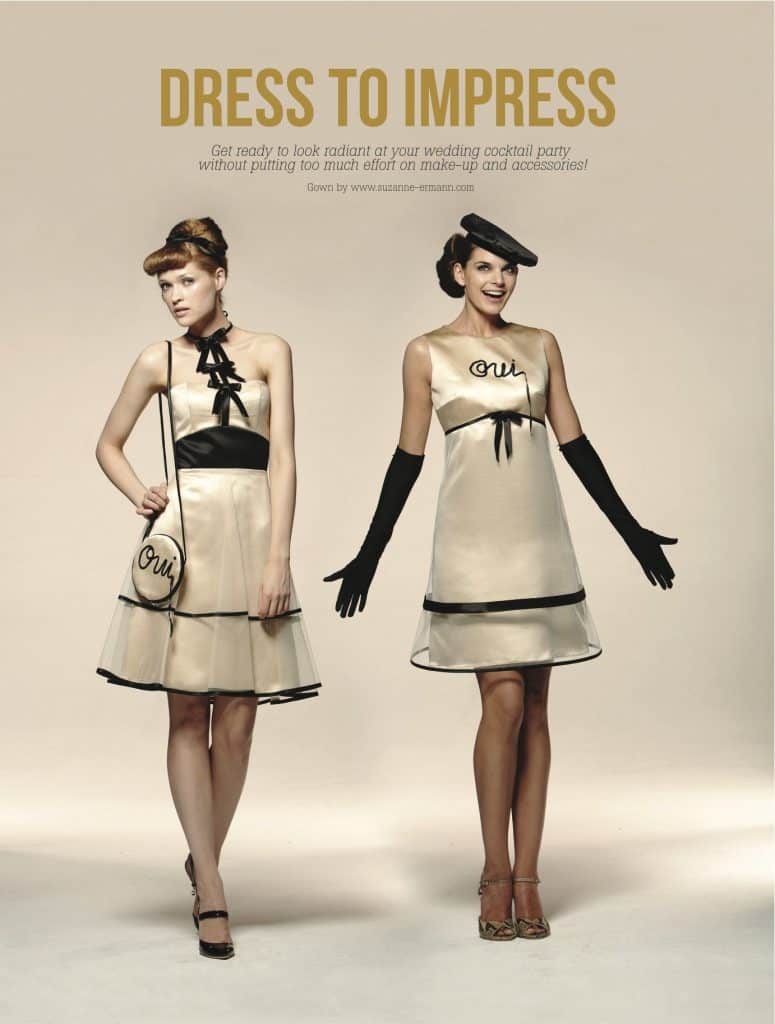
Social media, pop culture, and societal expectations pressure individuals to present themselves as polished and put-together. The phrase “dress for the job you want” extends beyond career aspirations—it infiltrates personal life, where looking good is often equated with being good. A well-dressed person is assumed to be thriving, while disheveled attire is often linked with struggle. This perception leads many to hide their battles beneath luxury brands, tailored suits, and designer bags.
Fashion as Emotional Armor
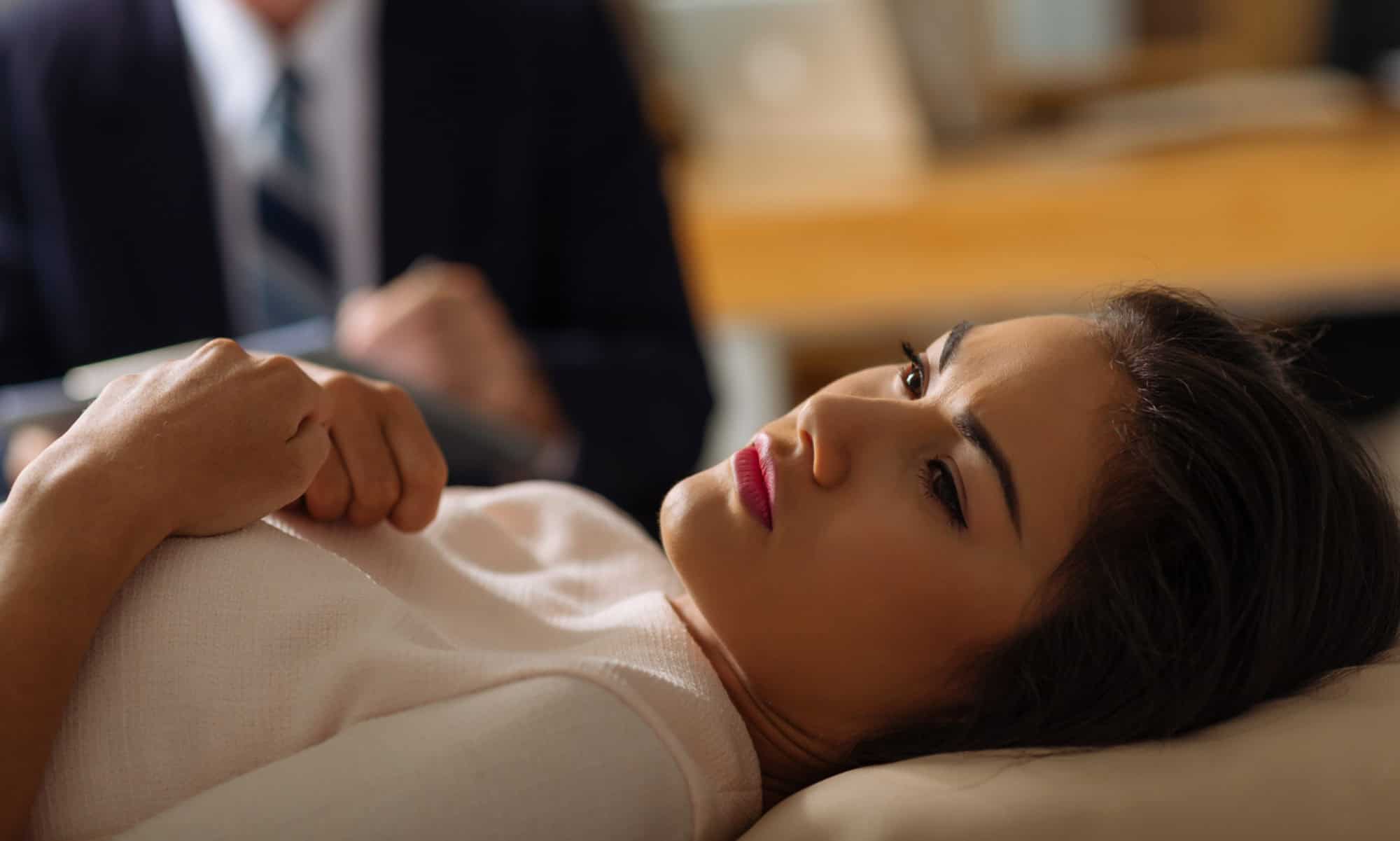
Clothing plays a significant role in self-perception and how others perceive us. Many struggling with anxiety, depression, or low self-worth turn to fashion as a way to control their narrative. A person suffering from depression might meticulously put together an outfit to appear cheerful, while someone battling insecurity might overcompensate with expensive clothing to project confidence.
Luxury items and high-end fashion, in particular, create a sense of status and power. For some, these items provide a temporary escape from feelings of inadequacy, making them feel valuable in a world that often judges based on appearances. However, this external polish does not always reflect internal well-being.
When Appearance Becomes a Facade
There is a fine line between dressing well for self-expression and using fashion as a coping mechanism. Many celebrities, influencers, and high-profile figures embody this struggle—dressing in extravagant outfits while privately battling mental health issues. The late fashion designer Alexander McQueen, known for his avant-garde designs, struggled with depression despite his iconic creations. His story reflects how even those who shape the fashion industry can use clothing as a mask.
Similarly, social media influencers often showcase curated images of perfection, concealing personal hardships behind designer outfits and flawless aesthetics. The desire to maintain an idealized image can lead to emotional exhaustion, further exacerbating mental distress.
Breaking Free from the Illusion
Acknowledging that fashion can sometimes be a form of emotional camouflage is the first step toward authenticity. While dressing well can boost confidence, true self-worth should not be dependent on outward appearance alone. Open conversations about mental health, self-acceptance, and vulnerability can help individuals break free from the cycle of masking distress with external perfection.
Ultimately, fashion should be a form of self-expression rather than a disguise. True confidence comes not from the labels we wear, but from the ability to embrace our struggles and seek support when needed. The most powerful statement one can make is not just through clothing—but through authenticity and emotional well-being.