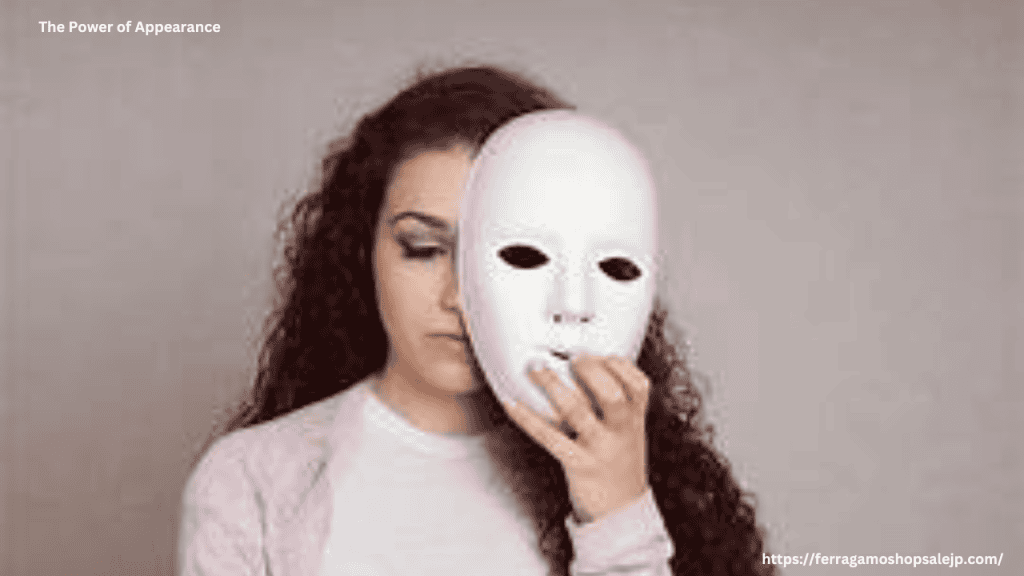
In a world that values appearances, many people go to great lengths to present a flawless image, even when they are struggling internally. Fashion, beauty, and carefully curated aesthetics often serve as tools to conceal pain, insecurity, and emotional distress. The illusion of perfection allows individuals to project confidence and success while hiding their struggles from the outside world. But behind the polished exterior, there is often a deeper story of pain, pressure, and the fear of being truly seen.
The Power of Appearance
Humans are naturally drawn to beauty, associating well-dressed and well-groomed individuals with success, happiness, and stability. This societal bias creates pressure to maintain a put-together appearance, even in the midst of personal turmoil. People who are battling depression, anxiety, or trauma often use fashion and style to craft an external image that contradicts their inner struggles.
A bright, stylish outfit can give the impression of joy and confidence, even when the person wearing it feels empty inside. A designer handbag or an expensive suit may project financial success, even if the person is drowning in debt. The illusion of perfection becomes a survival mechanism—an attempt to protect oneself from judgment, pity, or unwanted attention.
Hiding Behind Luxury and Trends
For some, high-end fashion and luxury brands become more than just a preference—they become a mask. Wearing expensive clothing can create a sense of status and power, allowing individuals to feel valuable in a world that often measures worth by material possessions. The pressure to keep up with trends and maintain an aspirational image can be overwhelming, leading people to spend beyond their means just to sustain the illusion.
Social media plays a significant role in reinforcing this behavior. Platforms like Instagram and TikTok showcase curated images of perfection, making it easy to compare oneself to influencers and celebrities who appear to have it all. Many people feel the need to present a similarly polished life, carefully selecting outfits, angles, and filters to maintain an idealized version of themselves. But behind the screens, many of these individuals are battling insecurities, loneliness, and mental health struggles.
When Fashion Becomes a Coping Mechanism
Using style as a form of self-expression is not inherently negative. Dressing well can boost confidence and provide a sense of control in a chaotic world. However, when fashion becomes a way to hide pain rather than embrace authenticity, it can lead to emotional exhaustion. The constant need to uphold an illusion of perfection can prevent individuals from seeking help or expressing vulnerability.
Many high-profile figures have exemplified this struggle. Celebrities who appear glamorous on red carpets often reveal, in private interviews or memoirs, the battles they face behind the scenes. The pressure to maintain an impeccable image can feel suffocating, leading to anxiety, depression, and even self-destructive behaviors.
Embracing Authenticity Over Perfection
Breaking free from the illusion of perfection requires courage. It means recognizing that true self-worth is not determined by external appearances but by self-acceptance and inner well-being. While fashion and style can be empowering, they should not serve as a substitute for emotional healing.
By embracing authenticity and allowing ourselves to be vulnerable, we create space for genuine connections and self-growth. Perfection is an illusion, but self-acceptance is real—and that is where true confidence begins.