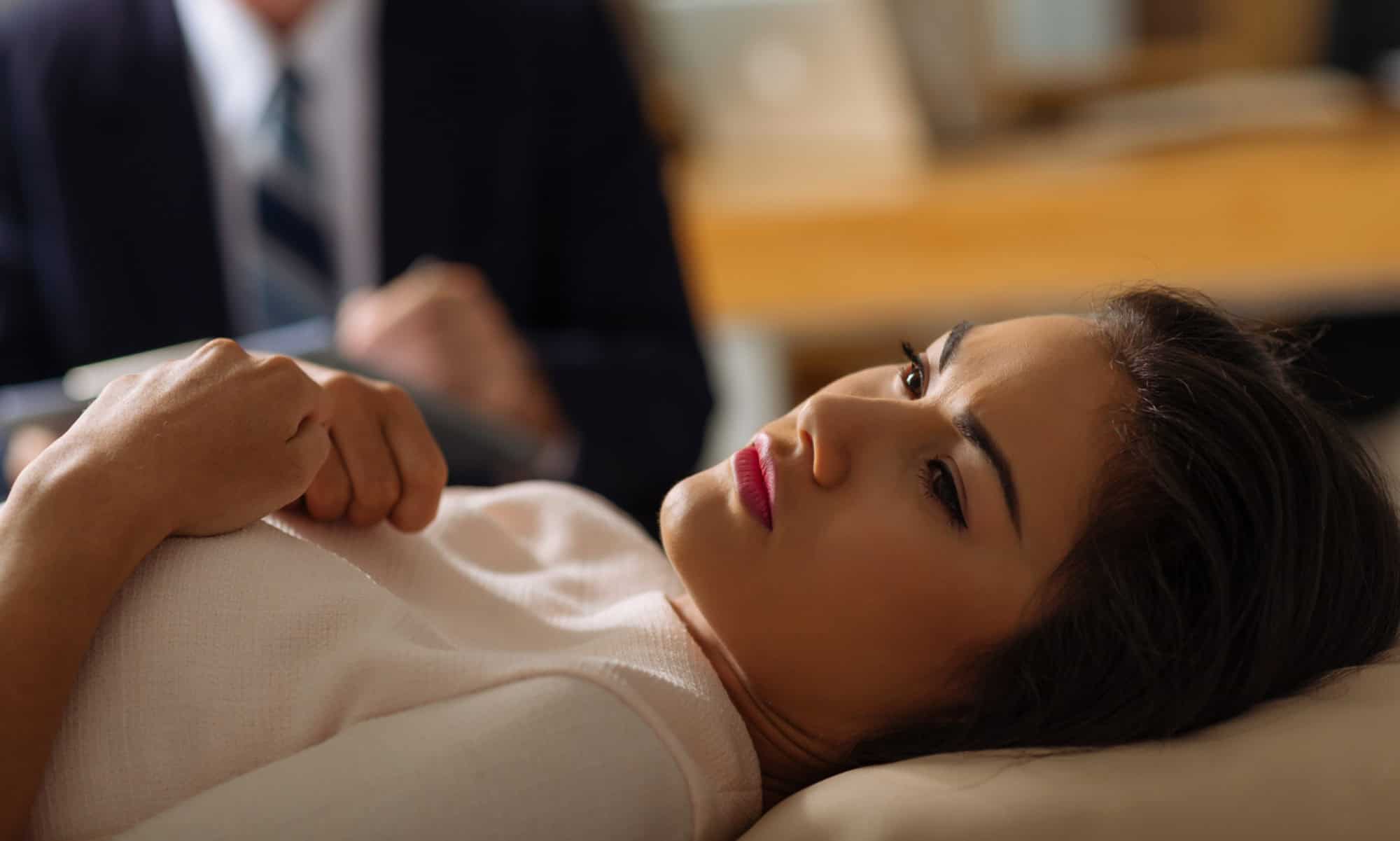
In a world where appearance often determines how we’re perceived, it’s no surprise that many people turn to clothing and image as a form of self-protection. What we wear and how we present ourselves can speak volumes before we ever say a word—but sometimes, what we’re saying with our style isn’t the full truth. For many, clothes become a shield, a way to mask insecurity and present a version of themselves that feels more acceptable, more confident, or more in control than the person they truly feel like inside.
The Style-Confidence Illusion
Fashion has the power to transform. A sharp suit, a bold lipstick, or a perfectly curated outfit can make someone feel powerful, desirable, and seen. And that’s not necessarily a bad thing. There’s a real connection between what we wear and how we feel. But the issue arises when style is used not for expression, but for protection—when the goal isn’t to feel good, but to hide.
People struggling with low self-esteem, body image issues, social anxiety, or a lack of self-worth often use fashion as a mask. They might dress impeccably not because they feel confident, but because they’re afraid of being judged. The effort put into the outfit becomes a form of armor, a way to control the narrative before anyone can get close enough to see the truth.
The Fear Behind the Fabric
Why do people hide behind clothes and image? The reasons run deep. Insecurity breeds fear—fear of being rejected, misunderstood, or exposed. A polished appearance can feel like a safe barrier between the self and the world. It’s easier to let people admire your shoes than risk them seeing your shame. It’s safer to be complimented on your jacket than to open up about your loneliness or your doubts.
This is particularly common in environments where image is currency: high-pressure careers, social media, fashion circles, or even school. People often feel that if they “look the part,” they’ll be accepted, respected, or loved—whether or not they actually feel that way inside.
The Hidden Toll of the Disguise
Over time, hiding behind an image can become exhausting. It creates a disconnection between the internal and external self, making authenticity feel risky or even impossible. The pressure to keep up appearances can lead to anxiety, burnout, and a persistent fear of being “found out.”
Worse still, the mask can prevent genuine connection. If people only know the curated version of you, you may begin to wonder if they’d accept the real you. The very thing used to gain approval ends up reinforcing the fear of being unlovable without it.
Moving Toward Authentic Confidence
There’s nothing wrong with enjoying fashion or wanting to present yourself well. But true confidence doesn’t come from hiding your flaws—it comes from embracing them. The next time you get dressed, ask yourself: Am I expressing myself, or protecting myself?
Being seen for who you are, insecurities and all, is a powerful act. And sometimes, letting the world see a little less perfection—and a little more truth—is the first step toward real self-worth.