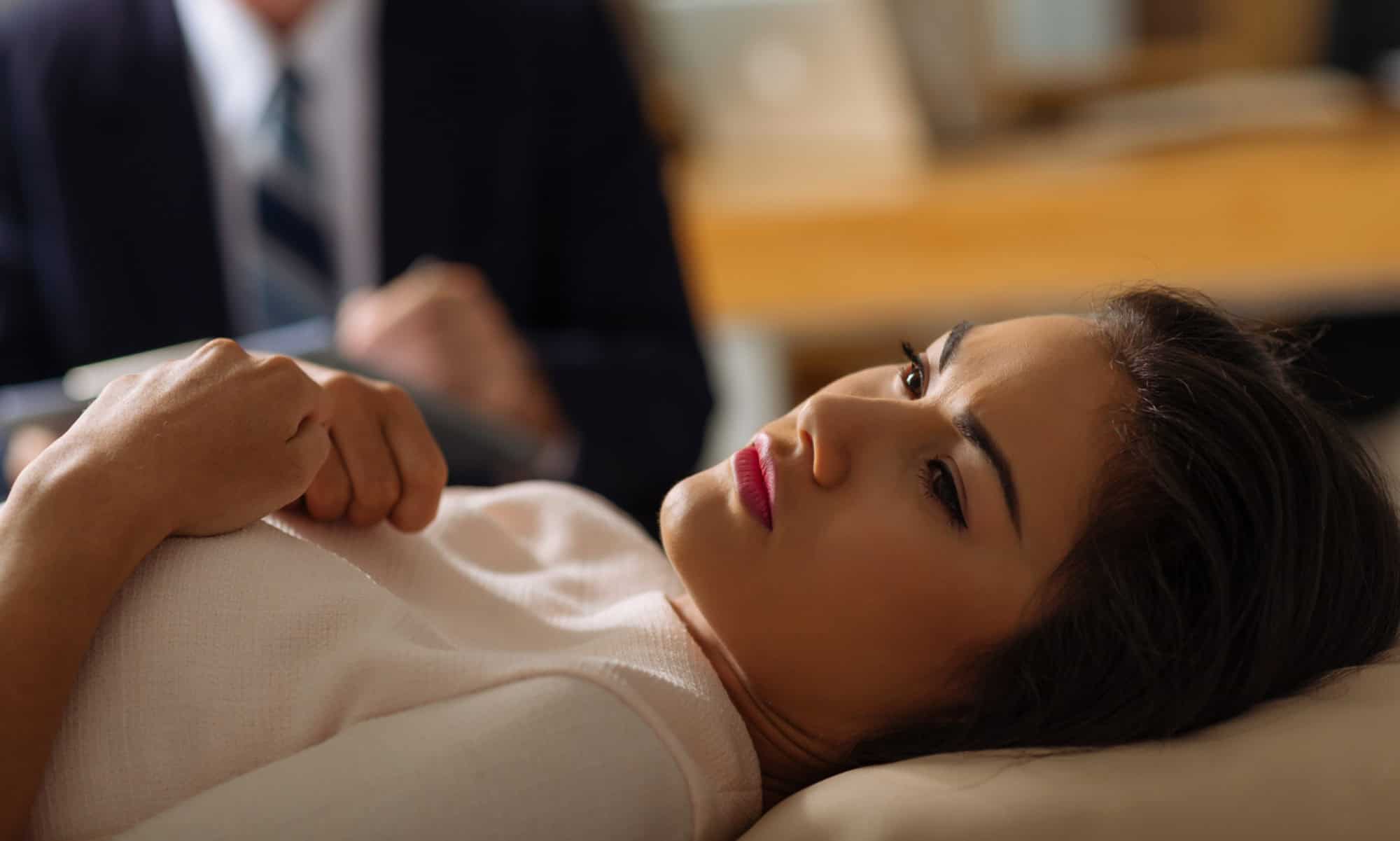
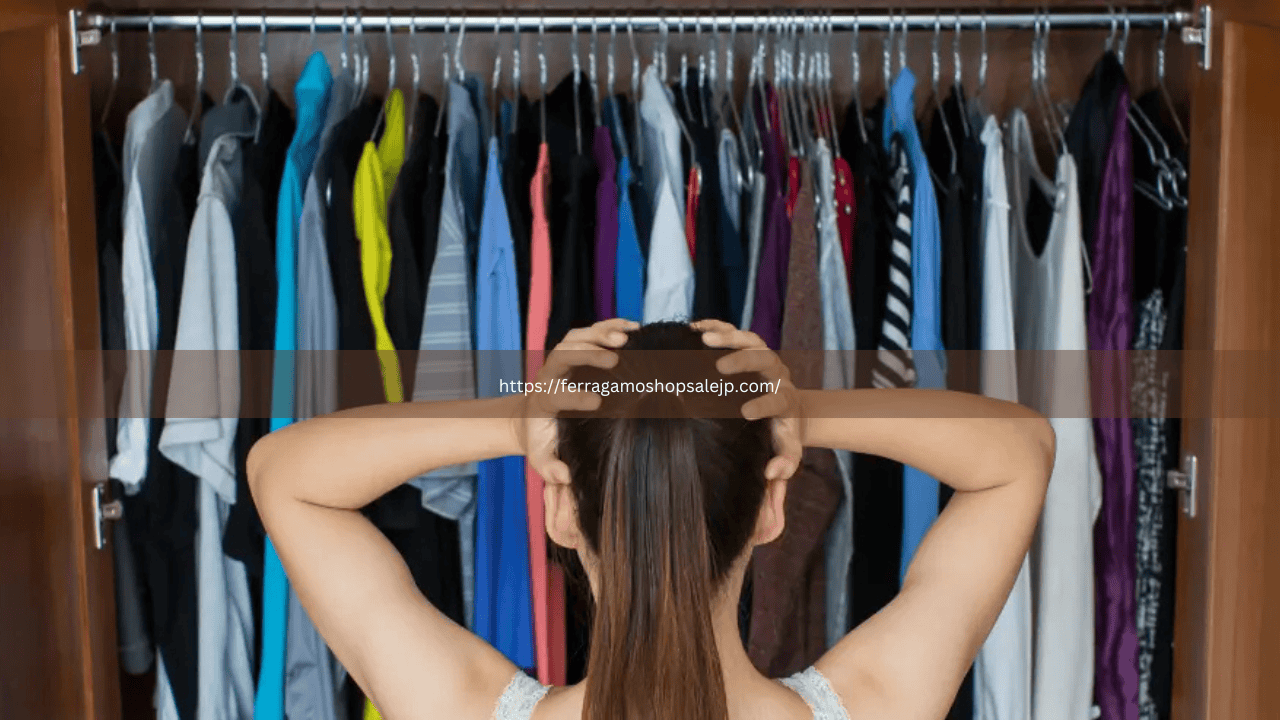
In a society that values appearance and status, clothing is often more than just fabric—it is a statement. While fashion allows individuals to express creativity and personality, it can also serve as a mask, concealing deeper emotional struggles. Behind the designer labels and luxurious outfits, many people are silently battling anxiety, insecurity, and pain. Wardrobe choices can sometimes be less about style and more about survival—an attempt to shield vulnerabilities from the world.
The Illusion of Confidence
Luxury fashion and high-end brands are often associated with success, power, and happiness. When someone walks into a room wearing an expensive suit or carrying a designer handbag, they immediately command attention and respect. This perception can be intoxicating for individuals who feel inadequate or unseen. Dressing in luxury can offer a temporary escape from feelings of self-doubt, creating an illusion of confidence even when it doesn’t exist internally.
Many people who struggle with low self-esteem or imposter syndrome rely on fashion as a way to validate their worth. The right outfit can create a sense of belonging in elite social circles or professional environments. However, this external validation is often fleeting. No matter how many designer labels one wears, internal struggles remain unresolved.
Luxury as Emotional Armor
For some, expensive clothing becomes a form of emotional armor. Wearing luxury brands can act as a shield against judgment, making it seem as though everything is perfect on the surface. People who are struggling with personal issues—such as relationship problems, financial stress, or mental health challenges—may use their wardrobe to distract from their pain.
This is especially common in industries where image is everything. Celebrities, influencers, and business professionals often feel immense pressure to look successful, even when their personal lives are in turmoil. By maintaining an impeccable appearance, they avoid uncomfortable questions or the stigma that comes with vulnerability.
The Cost of Maintaining the Illusion
While fashion can provide a temporary boost in confidence, relying on it as a disguise can have long-term consequences. The pressure to keep up with designer trends can lead to financial strain, with individuals spending beyond their means to maintain a luxurious image. This cycle can create stress and anxiety, deepening the very struggles that fashion was meant to conceal.
Moreover, constantly presenting a polished image can prevent genuine connections. When people hide behind designer labels, they may attract relationships based on superficial qualities rather than authenticity. Over time, the fear of being “exposed” can lead to loneliness and isolation.
Embracing Authenticity Over Appearance
True confidence does not come from clothing, but from self-acceptance. While there is nothing wrong with enjoying fashion and luxury, it is important to recognize when wardrobe choices are being used to mask deeper issues. Seeking support, whether through therapy, self-reflection, or open conversations, can help individuals break free from the need to rely on appearances for validation.
At the end of the day, designer labels may impress others, but they cannot heal what’s inside. True beauty and self-worth come from embracing who you are, beyond the clothes you wear.