
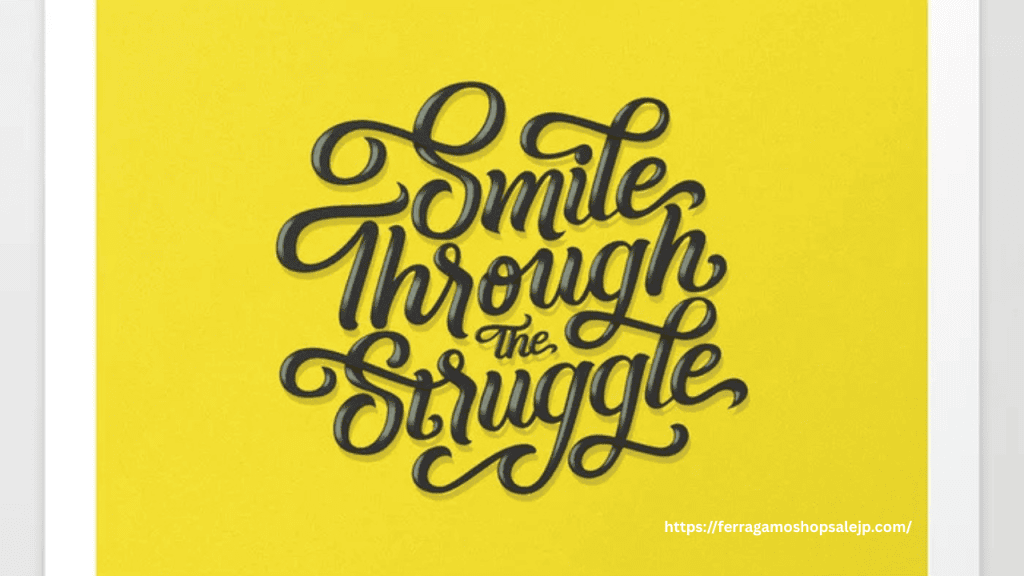
In a culture obsessed with appearances and positivity, many people have mastered the art of looking “okay” on the outside while silently falling apart inside. A bright smile, a polished outfit, and a calm demeanor often mask what’s really going on beneath the surface. This emotional camouflage is more common than we think—and it’s one of the most overlooked signs of inner struggle.
The Pressure to Hold It Together
Society praises strength, resilience, and positivity, often at the expense of authenticity. We are taught to keep going, stay strong, and “fake it till you make it,” even when we’re barely holding on. As a result, many people become experts at masking pain with a smile and distress with a well-put-together image.
Looking composed becomes a coping mechanism—especially for those who feel they don’t have the space or permission to be vulnerable. Whether it’s a parent holding it together for their kids, a professional maintaining composure at work, or a friend who’s always the “strong one,” the performance of stability often hides deep emotional exhaustion.
The Mask of Functionality
One of the most misleading aspects of internal struggle is that it doesn’t always look like chaos. People who are suffering may still go to work, dress well, socialize, and fulfill responsibilities. They smile in photos, show up on time, and may even seem high-functioning to the outside world.
But behind the scenes, they may be battling anxiety, depression, grief, or burnout. The energy it takes to appear “fine” is immense, and over time, the effort to maintain this illusion can become overwhelming.
This hidden pain is often referred to as “smiling depression” or “high-functioning anxiety”—conditions where individuals appear outwardly successful and happy but suffer quietly. Because they don’t “look” like they’re struggling, their pain often goes unnoticed and unsupported.
Why People Hide Their Struggles
There are many reasons why people keep their emotional pain hidden. Fear of judgment, shame, or being perceived as weak can prevent them from opening up. Some have been conditioned to believe that showing emotion is a sign of failure, or that their problems aren’t “serious enough” to warrant help.
For others, the disguise is a form of protection. By looking put-together, they avoid uncomfortable questions and keep control over how they are perceived. The smile becomes a shield—a way to deflect attention from the storm within.
Creating Space for Authenticity
Recognizing that someone can look “perfect” and still be struggling is crucial. It’s a reminder to approach others—and ourselves—with compassion rather than assumption. Check in with your strong friends. Be gentle with those who always seem okay. And if you’re the one smiling through the struggle, know that it’s okay to let the mask down. Vulnerability is not weakness—it’s strength in its rawest form.
Healing starts with honesty, and sometimes the bravest thing you can do is say, “I’m not okay.” Behind every polished exterior is a human being who deserves support, understanding, and the freedom to be real.